
Ingredients
Pork
- 1.5 kgpork belly, skin removed, cut in 4 cm pieces
- 300 gpork back fat, cut in pieces
- 200 mldry white wine
- 200 mlwater
- 2 tspfine salt
- 1 tspwhite pepper
- 4 clovesgarlic, unpeeled and crushed
- 2bay leaves
- 3 sprigsthyme
- ¼ tspground nutmeg
- 2cloves
To seal and serve
- 150 glard, melted
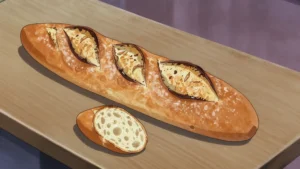
- toasted sourdough
- cornichons
Directions
- Put the pork, back fat, wine, water, salt, pepper, garlic, bay, thyme, nutmeg and cloves in a heavy casserole. The liquid should come about a third of the way up — it is there to stop the meat catching before its own fat renders, and it will boil away.
- Cover and cook at 130°C (265°F) for three and a half to four hours, until the meat collapses at the touch of a spoon. Low and slow is the whole method: cooked hotter, the meat browns and toughens instead of melting.
- Fish out the bay, thyme, cloves and garlic skins.
- Tip the contents into a sieve set over a bowl and let the fat drain off. Keep every drop of it.
- Shred the meat with two forks while it is still warm, pulling it into long fibres rather than mashing it. That texture is the difference between rillettes and pâté, and a food processor destroys it in seconds.
- Beat in the reserved fat a ladle at a time until the mixture is moist and just holds together, then taste and season hard. Cold fat mutes salt badly, and a mixture that tastes right warm will taste of nothing tomorrow.
- Pack into jars or a terrine, pressing out air pockets, and pour a 5 mm layer of melted lard over the surface to seal it.
- Chill at least 24 hours before eating. Sealed under fat and refrigerated it keeps a month; once the seal is broken, a week.
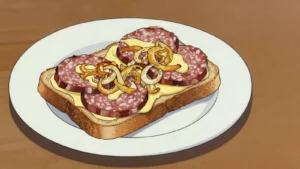
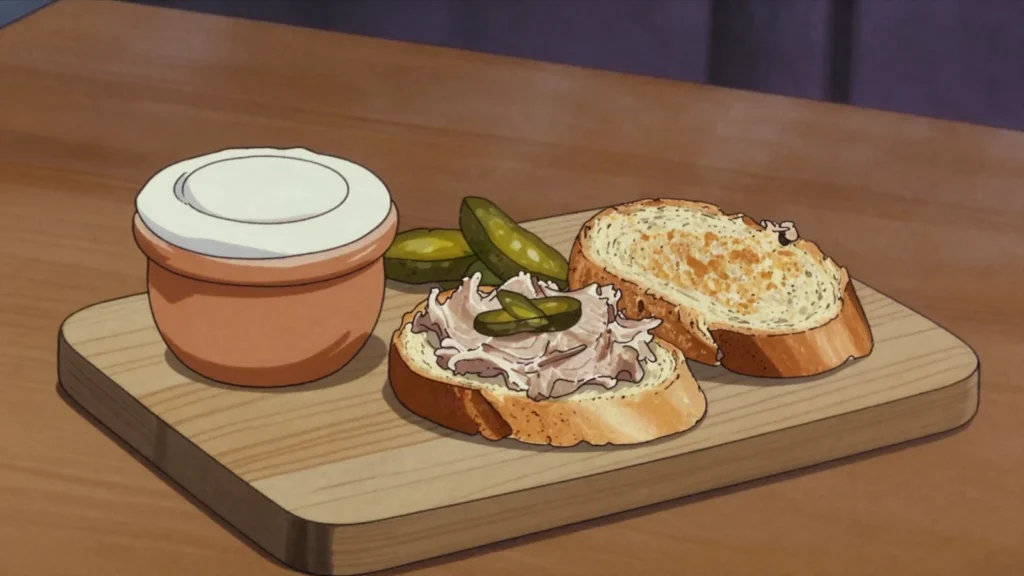
- Serve at room temperature with toasted sourdough and cornichons.
Technique
- Shred by hand, always. This is the one instruction that separates rillettes from a smooth potted paste.
- Season more than feels right while it is warm. It is the most common complaint about homemade rillettes.
- The lard seal is what gives it a month rather than a week — but it only works if it covers the surface completely and the jar goes in the fridge.
Substitutions
- Duck or goose legs in place of pork, cooked the same way, for rillettes de canard.
- Rabbit with a little pork fat, which is made in the Loire.
- Cider for the white wine, which suits the Normandy style.
Variations
- Rillettes du Mans are coarser and darker; those of Tours are cooked longer and browner.
- A salmon or mackerel version folds cooked and smoked fish into butter — quick, and quite unrelated except in name.
History
A coarse meat spread, most traditionally made from pork slow-cooked in its own fat until falling-apart tender, then shredded and preserved under a layer of that same fat, developed in the Loire Valley region of France as a preservation technique, allowing cooked meat to keep safely for extended periods before refrigeration existed, since the fat layer sealed the meat away from air and contamination. Its preparation, cooking the meat low and slow for hours until it can be shredded by hand rather than cut, produces a distinctly soft, spreadable texture quite different from a firmer pâté, and rillettes made from other meats, including duck, rabbit and goose, developed as regional and seasonal variations on the same basic slow-cooking-and-preserving technique. It remains a traditional French charcuterie item, typically spread on bread as a starter or snack.
Frequently asked questions
What is Rillettes?
Rillettes is a charcuterie & cured from France: pork slow-cooked in fat and shredded into a spreadable potted paste. A coarse meat spread, most traditionally made from pork slow-cooked in its own fat until falling-apart tender, then shredded and preserved under a layer of that same fat, developed in the Loire Valley region of France as a preservation technique, allowing cooked meat to keep safely for extended periods before refrigeration existed, since the fat layer sealed the meat away from air and contamination. Its preparation, cooking the meat low and slow for hours until it can be shredded by hand rather than cut, produces a distinctly soft, spreadable texture quite different from a firmer pâté, and rillettes made from other meats, including duck, rabbit and goose, developed as regional and seasonal variations on the same basic slow-cooking-and-preserving technique. It remains a traditional French charcuterie item, typically spread on bread as a starter or snack.
How long does Rillettes take to make?
Rillettes takes 20 min plus 24 hours resting of preparation and 4 hours of cooking. The recipe makes makes about 800 g. It is rated easy to make.
What can I substitute in Rillettes?
Yes, within limits. Duck or goose legs in place of pork, cooked the same way, for rillettes de canard. Rabbit with a little pork fat, which is made in the Loire. Cider for the white wine, which suits the Normandy style.
What is the most important thing to get right in Rillettes?
Cover and cook at 130°C (265°F) for three and a half to four hours, until the meat collapses at the touch of a spoon. Low and slow is the whole method: cooked hotter, the meat browns and toughens instead of melting.