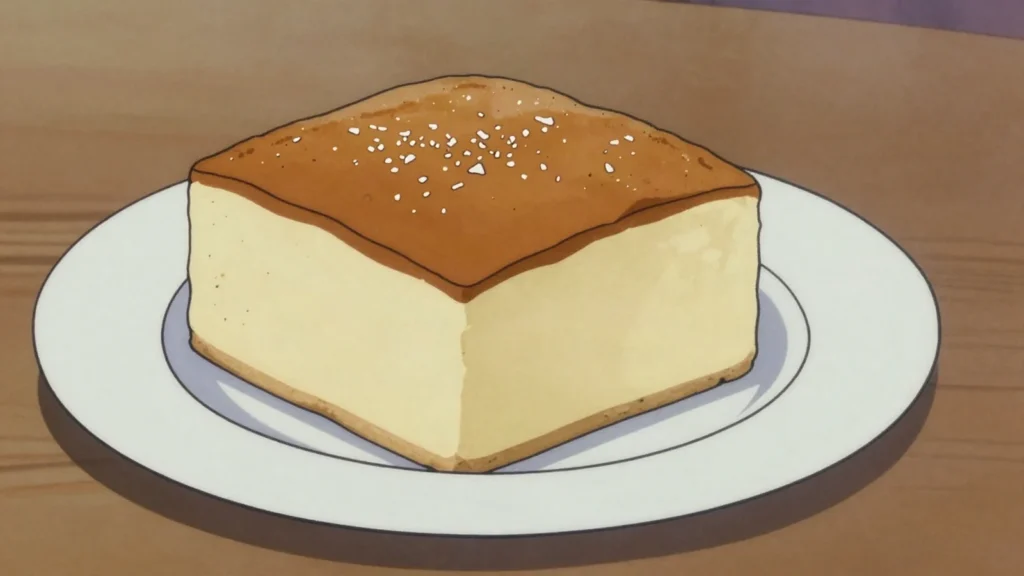

Cassava soaked in water for days until it sours and softens, then pressed into a wet dough. Also called carimã, it is the base of bolo de puba and other Northeastern Brazilian cakes, and it tastes distinctly and deliberately fermented.
The soak that sours cassava is the same process that removes its cyanogenic glycosides, and shortening it — the obvious thing an impatient cook does — is how cassava poisoning happens. Puba flour is sold ready-made.
What goes into it
- cassava roots
- water
How it is made
Whole peeled roots are submerged in water and left for three to five days, during which lactic bacteria acidify the water and the root goes soft. The roots are then broken up by hand, the fibres picked out, and the mass drained in cloth and pressed. That long soak is also what leaches out the cyanogenic glycosides — with bitter varieties it is a detoxification step, not a flavouring one.
How long it takes: three to five days of soaking, then draining
How it is eaten
Mixed with coconut milk, eggs and sugar and baked into bolo de puba; also made into porridge and couscous.
History
A northeastern ferment used for bolo de puba and other cakes; also called carimã.
Frequently asked questions
What is Puba?
Puba is a fermented & pickled from Brazil: cassava soaked for days until sour, then pressed into a dough. A northeastern ferment used for bolo de puba and other cakes; also called carimã.
How is Puba made?
Whole peeled roots are submerged in water and left for three to five days, during which lactic bacteria acidify the water and the root goes soft. The roots are then broken up by hand, the fibres picked out, and the mass drained in cloth and pressed. That long soak is also what leaches out the cyanogenic glycosides — with bitter varieties it is a detoxification step, not a flavouring one. It takes three to five days of soaking, then draining.
Can I make Puba at home?
No, and the atlas gives no method for it. The soak that sours cassava is the same process that removes its cyanogenic glycosides, and shortening it — the obvious thing an impatient cook does — is how cassava poisoning happens. Puba flour is sold ready-made.
What goes into Puba?
Cassava roots, water.
How is Puba eaten?
Mixed with coconut milk, eggs and sugar and baked into bolo de puba; also made into porridge and couscous.