Soybeans fermented with salt and a mould-grown starter into a thick, savoury paste — miso in Japan, doenjang in Korea, the doubanjiang and fermented black beans of China — and with them tofu, tempeh and natto: the protein foods of East Asia built on the soybean for two thousand years.
Where it comes from
The soybean was domesticated in China three thousand years ago and, being hard to digest whole, was almost immediately processed: sprouted, curdled into tofu, and fermented with the mould Aspergillus oryzae into pastes and sauces. Miso came to Japan from China with Buddhism and became the base of the daily soup, the seasoning of pickles and glazes, and a regional pride — sweet white miso in Kyoto, dark red in the north, the aged hatcho miso of Aichi. Korea’s doenjang and gochujang and China’s doubanjiang and douchi are the same idea with different beans, moulds and additions.
Tofu is soy milk curdled and pressed, in firmnesses from silken to extra-firm, invented in China and now eaten from Japan to Indonesia to the vegetarian West; tempeh is whole soybeans bound into a cake by a mould, an Indonesian invention, nutty and firm; natto is soybeans fermented with a bacterium into a sticky, pungent breakfast dish in Japan. Each fermented soy product carries glutamates — the savoury depth the Japanese named umami — which is why a spoonful of miso or a few fermented black beans do so much for a dish.
Varieties
- White miso (shiro) — Short-fermented, rice-heavy, sweet and mild; for dressings, marinades, glazes and light soups.
- Red miso (aka) and hatcho — Longer-fermented, saltier, deeper; hatcho is pure soybean miso aged for years. For robust soups and braises.
- Awase (mixed) miso — White and red blended; the all-purpose everyday miso.
- Doenjang — Korean fermented soybean paste; earthier and more pungent than miso. The base of doenjang jjigae and ssamjang.
- Doubanjiang and fermented black beans (douchi) — Sichuan fermented broad bean and chilli paste, the soul of mapo tofu; and Chinese salted fermented black soybeans for steamed fish and stir-fries.
- Tofu, tempeh, natto — Curd in silken to extra-firm; Indonesian fermented bean cake; Japanese sticky fermented beans.
In the kitchen
Miso is never boiled — it kills the aroma and the live culture. For soup, dissolve a tablespoon per bowl in a little hot dashi, then stir it into the pot off the heat at the end. For a glaze, mix miso with mirin, sake and sugar and brush on fish or aubergine before grilling (the Kyoto saikyo yaki, the nasu dengaku). White miso whisked with rice vinegar and oil dresses vegetables; a spoonful in a butter sauce, a caramel or a chocolate dessert is a modern classic.
Doenjang is simmered in stews and mixed with gochujang, garlic and sesame for ssamjang. Doubanjiang is fried in oil first until the oil turns red for mapo tofu and twice-cooked pork. Fermented black beans are rinsed and mashed with garlic and ginger for steamed fish or spare ribs. Tofu is pressed to firm it before frying, or left silken for soups and desserts; tempeh is sliced and fried until golden.
Choosing and keeping
Miso keeps a year or more in the fridge, darkening slowly; it is too salty to spoil. Doenjang and doubanjiang keep similarly. Fresh tofu keeps a few days in water in the fridge, changed daily; tempeh a week; natto is sold frozen or refrigerated in small tubs.
Buy miso from Japanese or Korean grocers, where the range is wide and the labels are honest; the ingredient list should be soybeans, rice or barley, salt and koji. Unpasteurised miso is live and better. Doubanjiang from Pixian county is the standard for Sichuan cooking.
Dishes with miso
 Mee GorengFried yellow noodles with soy, egg and vegetables
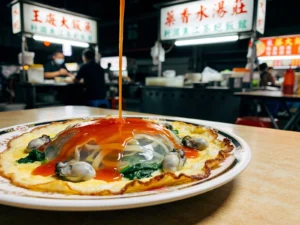 Oyster OmeletteNight-market egg and sweet-potato-starch omelette with plump oysters and sweet chili sauceTaiwanStinky TofuPungent fermented tofu deep-fried, served with pickled cabbage and chiliSingaporeMee RebusYellow noodles in thick sweet potato and prawn gravy with egg and limeSouth KoreaBossamBoiled pork belly slices wrapped in cabbage leaves with radish salad and ssamjang
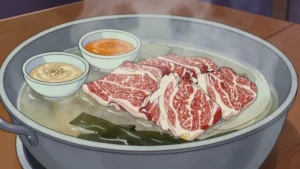 Shabu-shabuPaper-thin beef swished through kombu broth, dipped in ponzu or sesameSouth KoreaKimchi JjigaeBubbling stew of aged kimchi, pork and tofuNorth KoreaTangogi GukDog-meat soup with perilla and greens, eaten as a summer stamina dish.
Miso and the fermented soy foods is tagged on 57 dishes from 14 countries in the atlas. These notes are written from general knowledge and carry no per-fact citation — see About.