Dough stretched or rolled paper-thin and layered with fat — filo, yufka, warqa, malsouka, puff pastry — the sheets that shatter into flakes around baklava, börek, spanakopita, brik, samsa and a French mille-feuille, and that almost nobody now makes at home.
Where it comes from
Stretching a flour-and-water dough until it is thin enough to read through is a skill of the Turkish, Greek, Balkan and Middle Eastern kitchens, and the Ottoman palace kitchens perfected it: baklava’s dozens of layers of filo (Greek phyllo, ‘leaf’; Turkish yufka) brushed with butter and filled with nuts and syrup is the summit, and the savoury börek, pita and spanakopita are its everyday relatives. North Africa’s warqa and Tunisia’s malsouka are made differently — a wet dough dabbed onto a hot plate in overlapping patches — and give the brik and the bstilla their crackle.
Puff pastry is the French answer: a dough wrapped around a block of butter and folded and rolled six times into a thousand layers that lift and separate in the oven’s steam. It is richer and thicker than filo and gives the mille-feuille, the pithivier, the sausage roll and the vol-au-vent. Strudel dough, from Vienna and Hungary, is a single sheet stretched by hand over a whole table until it is as thin as filo and rolled around apples or cheese. All of these are now bought frozen far more often than made, and the frozen versions are good.
Varieties
- Filo / phyllo — Paper-thin sheets, sold frozen in stacks; brushed with butter or oil and layered. For baklava, spanakopita, börek, tiropita.
- Yufka — The Turkish equivalent, sold in larger rounds and slightly thicker; for börek and gözleme.
- Warqa / malsouka / brik pastry — North African sheets made on a hot plate; crisper and stronger than filo, for brik and bstilla, and fried.
- Puff pastry — Laminated butter pastry; all-butter is far better than margarine. Sold in blocks and ready-rolled sheets.
- Rough puff — A quick home version — cubes of butter rolled and folded into dough — with fewer, less even layers.
- Strudel dough — Hand-stretched single sheet; now often replaced by filo.
In the kitchen
Filo dries and cracks within minutes of being uncovered: unroll it, cover the stack with a barely damp cloth, and work one sheet at a time, brushing each with melted butter or oil before laying the next. Layer three to six sheets for a pie base or a börek, thirty or more for a baklava. Bake hot until deep gold; a pale filo is a limp filo. Cut baklava before baking and pour the cooled syrup over it hot from the oven.
Puff pastry wants to be cold when it goes into a hot oven — 200°C or more — so the butter layers steam and lift; roll it on a cold surface, chill after shaping, and cut edges cleanly so the layers are not sealed. Egg-wash the top only, not the edges. For a tart, prick or weight the base so it rises evenly. Rough puff is fast and fine for a sausage roll or a pie lid.
Choosing and keeping
Frozen filo and puff pastry keep for months; thaw filo overnight in the fridge, never at room temperature, and do not refreeze once opened. Refrigerated fresh filo keeps two weeks unopened and a few days once open, tightly rewrapped.
Buy all-butter puff pastry — the ingredient list should say butter, not vegetable fat — and filo from Greek, Turkish or Middle Eastern shops, which sell it fresh in larger, thinner sheets. Brik sheets are sold in Tunisian and Moroccan shops and freeze well.
Dishes with filo
 TikvenikFilo pastry coil filled with grated pumpkin, walnut and cinnamon.
 Sh’aybiyatfilo triangles filled with sweet cream, fried and soaked in syrup
 Om Alibaked pastry and milk pudding with nuts, raisins and cream, served bubbling
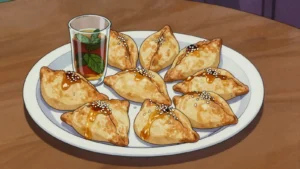 Briouattriangular warqa parcels fried around minced meat, cheese or almond paste
 Banitsaphyllo whirls with sirene cheese and egg, breakfast icon
 Galaktobourekosemolina custard baked in syrupy phyllo
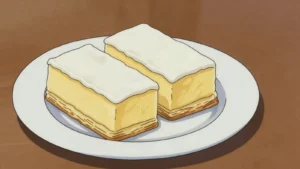 Custard SquareSlab of set custard between flaky pastry, iced on top.
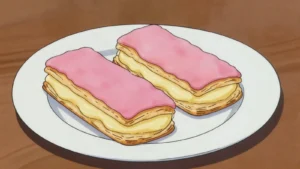 TompouceTwo sheets of puff pastry with cream between and pink icing on top.
Filo, puff and the layered pastries is tagged on 54 dishes from 38 countries in the atlas. These notes are written from general knowledge and carry no per-fact citation — see About.