
Lake Biwa crucian carp packed in rice and fermented for years until it is sharp as an old cheese. This narezushi is the ancestor of modern sushi, recorded in eighth-century tax records, and it is still fermented for one to three years.
It is a multi-year anaerobic ferment of whole raw fish under a weighted seal, where the acidity has to build fast enough to protect it; the barrels, the stones and the local carp are the method, and a failed batch is not a matter of taste.
What goes into it
- nigorobuna crucian carp from Lake Biwa, with roe
- salt, in quantity
- cooked rice
How it is made
The carp are gutted through the gills so the roe stays inside, packed in heavy salt for several months, then rinsed and repacked in barrels layered with cooked rice, weighted with a heavy stone and sealed. Lactic bacteria ferment the rice, and the acid they produce is what preserves the fish over one to three years. The rice is discarded; the fish is what is eaten.
How long it takes: months in salt, then one to three years in rice
How it is eaten
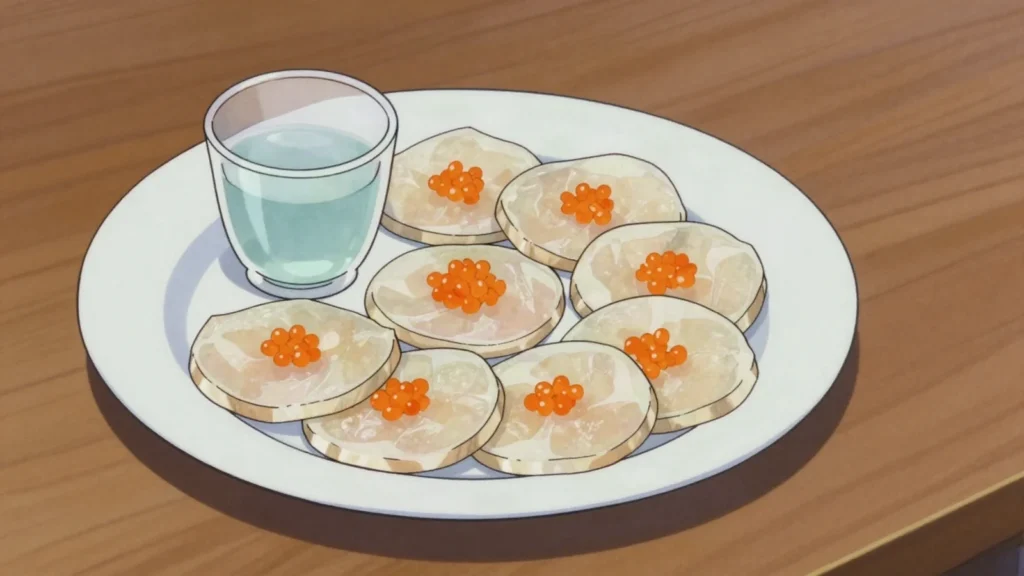
Sliced very thin with the roe intact, with sake, or in a hot broth poured over it.
History
Shiga’s narezushi is the ancestor of modern sushi, recorded in eighth-century tax records and still fermented one to three years.
Frequently asked questions
What is Funazushi?
Funazushi is a fermented & pickled from Japan: lake Biwa crucian carp packed in rice and fermented for years, cheese-sharp. Shiga’s narezushi is the ancestor of modern sushi, recorded in eighth-century tax records and still fermented one to three years.
How is Funazushi made?
The carp are gutted through the gills so the roe stays inside, packed in heavy salt for several months, then rinsed and repacked in barrels layered with cooked rice, weighted with a heavy stone and sealed. Lactic bacteria ferment the rice, and the acid they produce is what preserves the fish over one to three years. The rice is discarded; the fish is what is eaten. It takes months in salt, then one to three years in rice.
Can I make Funazushi at home?
No, and the atlas gives no method for it. It is a multi-year anaerobic ferment of whole raw fish under a weighted seal, where the acidity has to build fast enough to protect it; the barrels, the stones and the local carp are the method, and a failed batch is not a matter of taste.
What goes into Funazushi?
Nigorobuna crucian carp from Lake Biwa, with roe, salt, in quantity, cooked rice.
How is Funazushi eaten?
Sliced very thin with the roe intact, with sake, or in a hot broth poured over it.