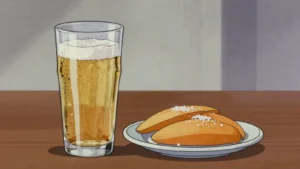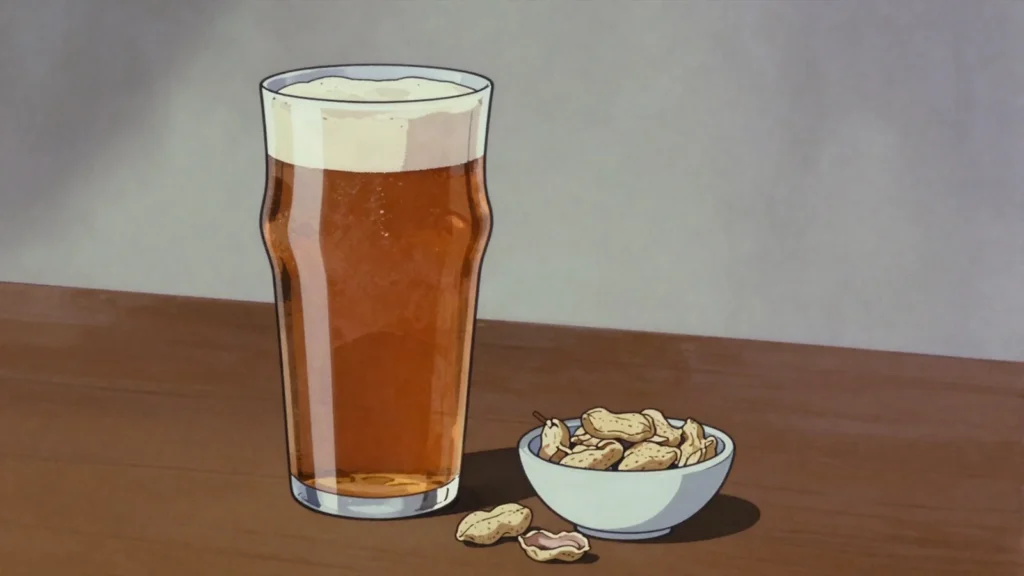

Unfiltered beer conditioned in the cask itself and pulled by handpump at cellar temperature. CAMRA was founded in 1971 to defend cask-conditioned bitter against pasteurised keg beer, and pubs still serve it without any added gas.
The defining part happens in a pub cellar: a live cask has to be vented, settled and sold within days by a cellarman, and brewing beer at home is licensed or restricted in much of the atlas’s readership.
What goes into it
- pale and crystal malt
- English hops
- ale yeast
- finings
- water
How it is made
The beer is brewed conventionally but racked into the cask while still fermenting, with live yeast and often a dose of priming sugar. It finishes fermenting in the cask in the pub’s own cellar, which carbonates it naturally. The cellarman vents it, lets it drop bright, and it must be sold within a few days of being tapped.
How long it takes: days to a fortnight conditioning in the pub cellar
How it is eaten
Pulled by handpump at around 12°C (54°F), and drunk within days of the cask being tapped.
History
CAMRA was founded in 1971 to defend cask-conditioned bitter against pasteurised keg beer, and pubs still serve it without added gas.
Frequently asked questions
What is Cask ale?
Cask ale is a wine & spirit from United Kingdom: unfiltered beer conditioned in the cask and pulled by handpump at cellar temperature. CAMRA was founded in 1971 to defend cask-conditioned bitter against pasteurised keg beer, and pubs still serve it without added gas.
How is Cask ale made?
The beer is brewed conventionally but racked into the cask while still fermenting, with live yeast and often a dose of priming sugar. It finishes fermenting in the cask in the pub’s own cellar, which carbonates it naturally. The cellarman vents it, lets it drop bright, and it must be sold within a few days of being tapped. It takes days to a fortnight conditioning in the pub cellar.
Can I make Cask ale at home?
No, and the atlas gives no method for it. The defining part happens in a pub cellar: a live cask has to be vented, settled and sold within days by a cellarman, and brewing beer at home is licensed or restricted in much of the atlas’s readership.
What goes into Cask ale?
Pale and crystal malt, english hops, ale yeast, finings, water.
How is Cask ale eaten?
Pulled by handpump at around 12°C (54°F), and drunk within days of the cask being tapped.