
A piquant hard sheep’s cheese from the island of Pag, whose flock grazes salt-sprayed sage and immortelle on bare karst. The salt and the herbs go into the milk before anyone touches it, which is why the cheese cannot be made elsewhere.
It is a protected designation of origin cheese whose flavour comes from one island’s salt-sprayed pasture, matured for months in a controlled cellar.
What goes into it
- milk from Pag’s native sheep
- rennet
- salt
- olive oil and ash, for rubbing the rind
How it is made
The milk is set with rennet, the curd cut fine, scalded and pressed hard into wheels. The wheels are brined, then matured in a cool store for months while the rind is rubbed with olive oil and sometimes ash. It goes from firm and nutty at a few months to hard and sharply crystalline after a year.
How long it takes: five months minimum, often twelve or more
How it is eaten
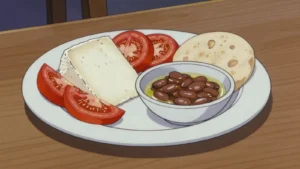
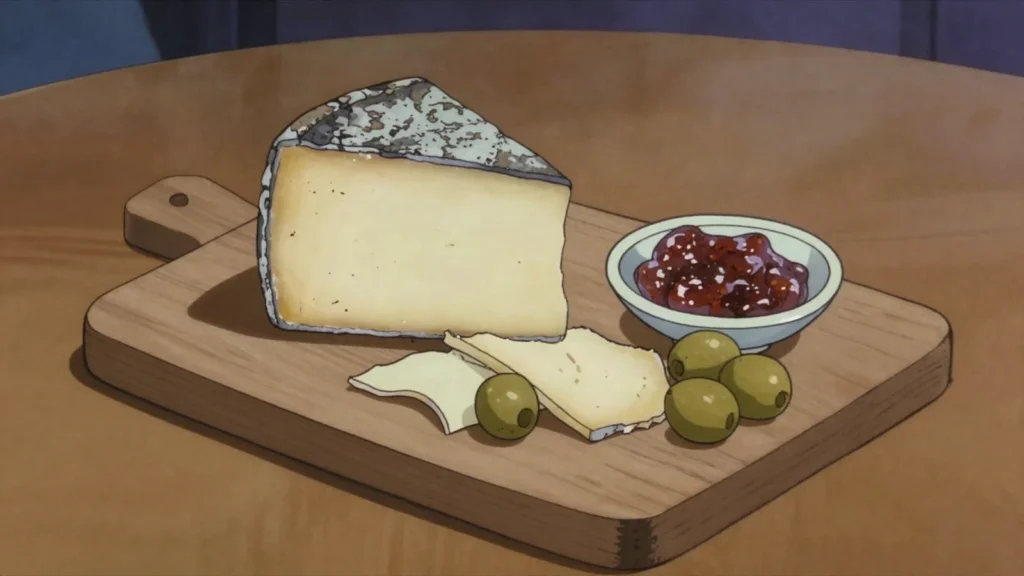
Shaved thin with pršut and olives, grated over pasta, or with fig jam.
History
Sheep cheese from Pag, whose flock grazes salt-sprayed sage and immortelle on the bare karst, giving the milk its flavour.
Frequently asked questions
What is Paški sir?
Paški sir is a cheese & dairy from Croatia: piquant sheep cheese from salty Pag island pastures. Sheep cheese from Pag, whose flock grazes salt-sprayed sage and immortelle on the bare karst, giving the milk its flavour.
How is Paški sir made?
The milk is set with rennet, the curd cut fine, scalded and pressed hard into wheels. The wheels are brined, then matured in a cool store for months while the rind is rubbed with olive oil and sometimes ash. It goes from firm and nutty at a few months to hard and sharply crystalline after a year. It takes five months minimum, often twelve or more.
Can I make Paški sir at home?
No, and the atlas gives no method for it. It is a protected designation of origin cheese whose flavour comes from one island’s salt-sprayed pasture, matured for months in a controlled cellar.
What goes into Paški sir?
Milk from Pag’s native sheep, rennet, salt, olive oil and ash, for rubbing the rind.
How is Paški sir eaten?
Shaved thin with pršut and olives, grated over pasta, or with fig jam.