
Ingredients
Nuggets
- 300 gblack gram (urad dal), soaked overnight
- 400 gtaro or colocasia, peeled and grated
- 1 tspsalt
- 1 tspground turmeric, optional
- 2green chillies, chopped fine, optional
Equipment
- flat trays or a cloth
- a shaded, airy drying place
Directions
- Soak the black gram overnight, then drain and grind it to a thick, smooth paste with as little water as possible. A wet paste will not hold its shape and takes days longer to dry.
- Wear gloves to peel and grate the taro. Raw colocasia contains calcium oxalate crystals that irritate skin badly, and this is the part of the job people regret.
- Beat the ground gram paste hard for several minutes until it is light and holds a peak. Beaten paste holds together as it dries; unbeaten paste crumbles.
- Mix in the grated taro, salt, turmeric and chilli.
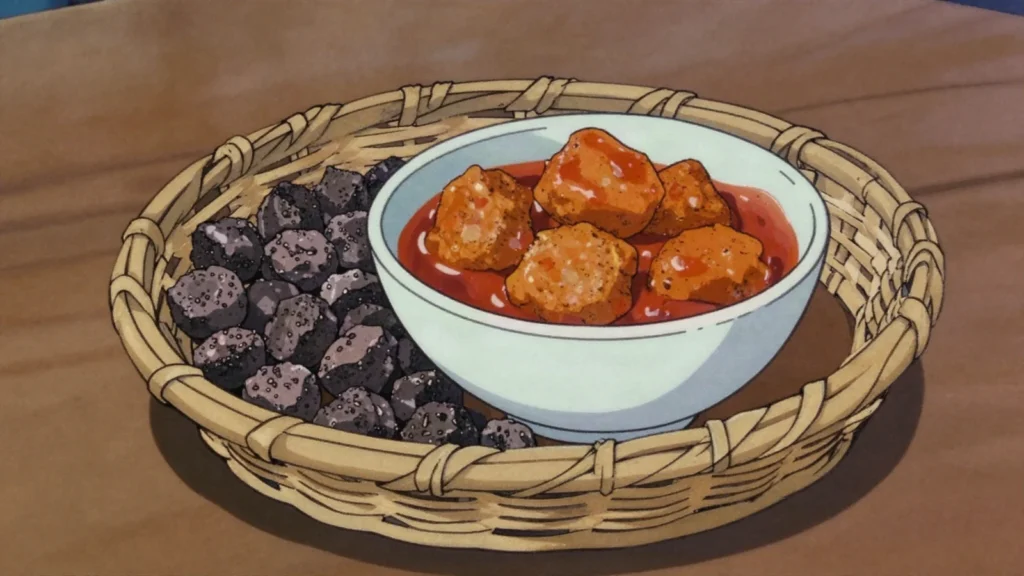
- Take small amounts and shape them into rough nuggets the size of a walnut, dropping them onto a tray. They do not need to be neat — the irregular shape is characteristic.
- Dry them in a shaded, airy place rather than direct sun, turning daily. Autumn’s dry air is why this is made then, and direct sun cracks the outsides while the middles stay wet.
- After three to five days they should be completely hard and rattle on the tray. Anything still soft inside will mould in storage.
- Store in an airtight jar. They keep six months to a year. Fry them and cook into curry with tomato and potato, where they soften and take up the sauce.
Technique
- Gloves for the taro, without exception.
- Dry in shade, not sun. This is the opposite of most sun-dried preserves and it matters.
- Beat the paste until it is light. It is the difference between nuggets that hold and nuggets that crumble.
Substitutions
- Ash gourd or pumpkin in place of taro, which some households use.
- A dehydrator at 50°C (122°F) where the weather will not oblige.
- Skip the taro entirely for a plain lentil masaura.
Variations
- Fried and cooked into a curry with potato, which is the standard use.
- The Indian wadi and Nepali masaura are the same family of dried lentil nuggets.
History
Made by women’s groups in the Terai and hills during dry autumn weather, giving households protein through the months without fresh vegetables.
Frequently asked questions
What is Masaura?
Masaura is a fermented & pickled from Nepal: black gram paste mixed with taro, hand-rolled into nuggets and sun-dried. Made by women’s groups in the Terai and hills during dry autumn weather, giving households protein through the months without fresh vegetables.
How long does Masaura take to make?
Masaura takes 1 hour plus overnight soaking and 3 to 5 days drying of preparation and no cooking at all. The recipe makes makes about 400 g. It is rated medium to make.
What can I substitute in Masaura?
Yes, within limits. Ash gourd or pumpkin in place of taro, which some households use. A dehydrator at 50°C (122°F) where the weather will not oblige. Skip the taro entirely for a plain lentil masaura.
What is the most important thing to get right in Masaura?
Take small amounts and shape them into rough nuggets the size of a walnut, dropping them onto a tray. They do not need to be neat — the irregular shape is characteristic.