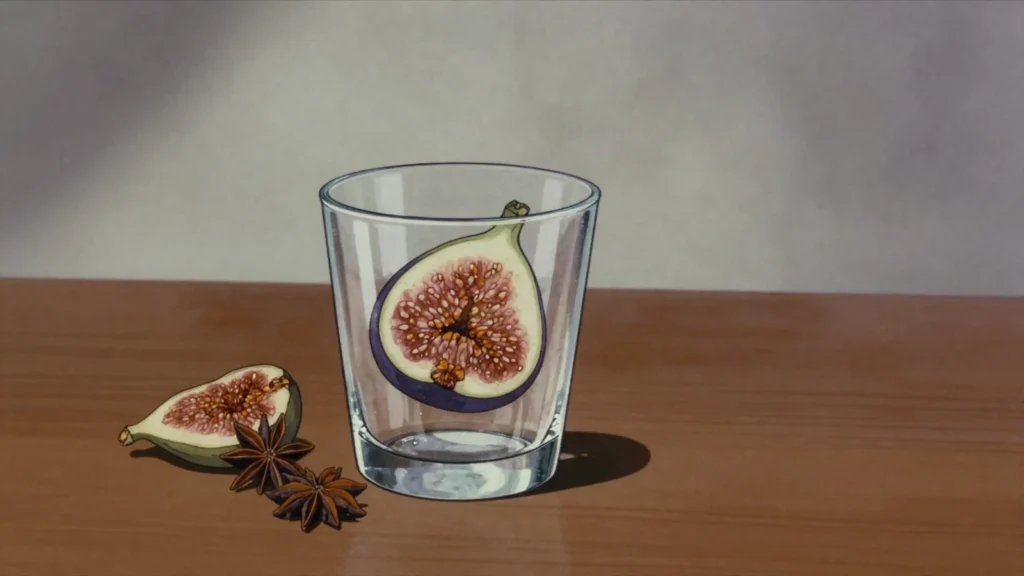

A Moroccan Jewish eau-de-vie distilled from figs or dates and flavoured with anise. It was distilled for centuries by Morocco’s Jewish communities for Sabbath and festivals, and the tradition travelled to Israel and France with the mass emigration of the 1950s and 1960s.
Distilling is illegal without a licence, and the cut that separates drinkable spirit from methanol-bearing heads is the step that goes wrong when it is learned by trial.
What goes into it
- dried figs or dates
- aniseed
- water
How it is made
Figs or dates are soaked and left to ferment on their own sugars for one to several weeks, then distilled in a copper pot still. Aniseed is added on the second run or steeped afterwards. It is bottled clear and drunk young, at high strength.
How long it takes: weeks to ferment, then distilling
How it is eaten
Neat in small glasses at Sabbath kiddush, festivals and mimouna.
History
Distilled for centuries by Morocco’s Jewish communities for Sabbath and festivals; the tradition travelled to Israel and France after the mass emigration of the 1950s and 1960s.
Frequently asked questions
What is Mahia?
Mahia is a wine & spirit from Morocco: moroccan Jewish eau-de-vie distilled from figs or dates and flavoured with anise. Distilled for centuries by Morocco’s Jewish communities for Sabbath and festivals; the tradition travelled to Israel and France after the mass emigration of the 1950s and 1960s.
How is Mahia made?
Figs or dates are soaked and left to ferment on their own sugars for one to several weeks, then distilled in a copper pot still. Aniseed is added on the second run or steeped afterwards. It is bottled clear and drunk young, at high strength. It takes weeks to ferment, then distilling.
Can I make Mahia at home?
No, and the atlas gives no method for it. Distilling is illegal without a licence, and the cut that separates drinkable spirit from methanol-bearing heads is the step that goes wrong when it is learned by trial.
What goes into Mahia?
Dried figs or dates, aniseed, water.
How is Mahia eaten?
Neat in small glasses at Sabbath kiddush, festivals and mimouna.