The small, oily, silver fish of cold and temperate seas — sardine, pilchard, herring, mackerel, sprat — cheap, abundant, fast to spoil and so preserved in every way there is: tinned, salted, smoked, pickled, fermented and dried.
Where it comes from
These fish swim in vast shoals and have fed the coasts of Europe for millennia: the herring built the Hanseatic League and the Dutch Golden Age, the sardine built Brittany’s and Portugal’s canneries, and the mackerel is the summer fish of every northern harbour. They are oily, which makes them nutritious and delicious and makes them spoil within a day, and preservation shaped their cooking: the salted and pickled herring of Scandinavia, the Netherlands and Eastern Europe, the smoked kipper and bloater of Britain, the tinned sardine of Portugal and France, the Swedish surströmming fermented in the tin.
Fresh, they are best grilled whole over charcoal — the Portuguese sardinha assada, the Turkish palamut, the Japanese saba shioyaki — with nothing but salt and lemon, because their oil bastes them and their flavour needs no help. Their bones are soft enough in a sardine to eat; a mackerel’s are not. The Japanese cure mackerel in salt and vinegar for shime saba and simmer it in miso; the Dutch eat raw herring with onion; the Jews and Poles pickle it in cream and vinegar; the Sicilians stuff sardines with pine nuts and raisins.
Varieties
- Sardine / pilchard — The same fish at different sizes — pilchard is the adult. Fresh grilled; tinned in oil, tomato or brine.
- Herring — Larger, fattier; the pickled, salted and smoked fish of the north. Rollmops, matjes, kippers, buckling, bismarck.
- Mackerel — Firm, rich, striped; grilled, smoked, soused. The freshest of the family to buy, and the quickest to spoil.
- Sprat and anchovy — Tiny; fried whole, smoked (Baltic), or salted.
- Tinned sardines — Portuguese and Breton in olive oil are the finest, and improve with age; a pantry staple.
- Smoked mackerel and kipper — Hot-smoked mackerel fillets, ready to eat; cold-smoked split herring (kipper), grilled or poached.
In the kitchen
Grill fresh sardines and mackerel whole and hot — scaled, gutted, salted, brushed with oil — over charcoal or under a fierce grill for a few minutes a side until the skin blisters and the flesh comes away from the bone; serve with lemon or vinegar and bread. Butterflied sardines can be pan-fried, stuffed, or laid on a pizza. Mackerel fillets take a sharp sauce — gooseberry, rhubarb, mustard, horseradish — against their oil.
Tinned sardines are a meal on toast with lemon, black pepper and parsley, or mashed with butter into a pâté, or stirred into a pasta with garlic, chilli and breadcrumbs. Pickled herring goes with rye bread, potatoes, sour cream, dill, onion and beetroot. Smoked mackerel is flaked into salads, pâtés and kedgeree. Soused mackerel — baked in vinegar with bay and onion — keeps a week.
Choosing and keeping
Oily fish must be very fresh: bright eyes, red gills, firm flesh, shining skin and a smell of the sea and nothing else. Buy the day you cook; keep on ice in the fridge and eat within a day. They freeze acceptably if frozen fast and very fresh.
Tinned sardines keep for years and Portuguese ones are dated and collected like wine. Pickled herring keeps weeks refrigerated; smoked mackerel a week or two. Look for MSC-certified herring and mackerel — stocks fluctuate.
Dishes with sardine
 PempekPalembang fish-and-tapioca cakes with dark vinegar-chili cuko
 LabskausMash of corned beef, potato and beetroot with herring, gherkin and fried egg.
 RundownMackerel simmered in reduced spiced coconut milk
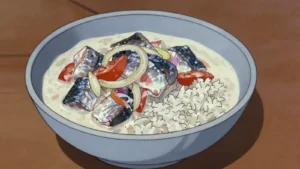 Faiai EleniTinned herring simmered in coconut cream with onion, ladled over rice
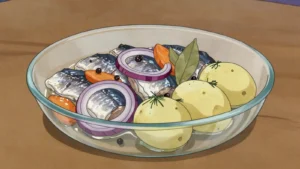 Pickled herringHerring in sweet vinegar with onion; midsummer and Christmas tables.
 RúgbrauðSweet dark rye bread traditionally baked in geothermal ground.
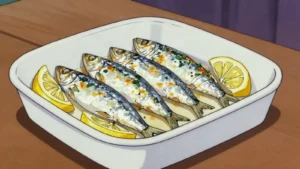 Sardines farciesBoned sardines stuffed with chard, herbs and cheese, then baked.
 Pate kòdeFlaky fried pastry stuffed with smoked herring, chicken or beef
Sardines, herring and mackerel is tagged on 63 dishes from 42 countries in the atlas. These notes are written from general knowledge and carry no per-fact citation — see About.