The rich, buttery, brown-skinned nut of a great North American tree — sweeter and oilier than a walnut — the nut of pecan pie, pralines and the cooking of the American South; and with it the macadamia and the Brazil nut, the other nuts the Americas and the Pacific gave the world.
Where it comes from
The pecan is a hickory native to the Mississippi valley and northern Mexico, gathered by Native Americans for thousands of years and cultivated only from the nineteenth century, when an enslaved gardener in Louisiana named Antoine grafted the first successful orchard. It is the nut of the American South — in pecan pie, in pralines in New Orleans, in butter pecan ice cream, with sweet potatoes — and Georgia, Texas and Mexico grow most of it. Almost nothing outside North America used it until recently.
The macadamia is Australian, from the Queensland rainforest, but Hawaii made it a crop and a name; it is the richest, most buttery nut of all, with a shell so hard it needs a machine to crack. The Brazil nut is gathered wild from towering Amazon trees that cannot be cultivated; it is large, waxy and oily and comes in a coconut-like pod of a dozen or more. All three are nuts eaten roasted or in sweets more than cooked with.
Varieties
- Pecan (Stuart, Desirable, native) — Oblong, thin-shelled, with a ridged, sweet, buttery kernel. Halves and pieces; raw or roasted.
- Macadamia — Round, ivory, very rich and crunchy; roasted and salted, or in cookies and with white chocolate.
- Brazil nut — Large, three-sided, waxy; gathered wild. Eaten raw or roasted; very high in selenium.
- Hickory nut — The pecan’s wild cousin, small and hard-shelled; a foraged nut in the eastern US.
- Black walnut — Also American — see walnut.
In the kitchen
Toast pecans lightly — they are oily and burn fast — and their sweetness deepens. Whole or in halves in pecan pie, which is a custard of eggs, sugar and corn or cane syrup set around them; chopped in pralines with brown sugar and cream; candied in a spiced sugar coating; scattered over sweet potato, squash and salads with blue cheese.
Macadamias are best roasted and salted for eating, or chopped into cookies and blondies; they are too rich and mild to carry a savoury dish alone but crust a fish well. Brazil nuts are eaten whole or grated; they are rarely cooked.
Choosing and keeping
All three are high in oil and go rancid quickly: keep shelled nuts in the fridge or freezer and buy in small quantities. Pecans in the shell keep six months somewhere cool. Fresh pecans are plump and golden-brown; dark, shrivelled or bitter ones are old.
Brazil nuts should be eaten in moderation — a few a day — because of their exceptionally high selenium content. Macadamias are sold almost always shelled and often already roasted.
Dishes with pecan
 LaksaKatong-style thick rice noodles in rich coconut prawn gravy
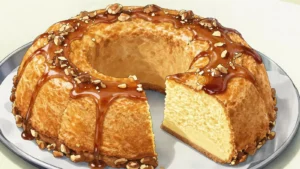 Bahamian rum cakeDense butter cake soaked in dark rum syrup, sold in tins
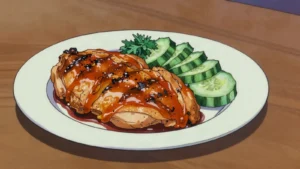 Ayam PercikKelantan grilled chicken basted in coconut-chili gravy
 Soto AyamTurmeric chicken soup with vermicelli, egg and sambal
 Mie GorengWok-fried sweet-soy noodles with vegetables and egg
 Ayam GorengTurmeric-galangal marinated chicken fried until deeply golden
 Tempeh GorengMarinated fried fermented-soy slices, everyday protein
 CarilMild chicken curry with potato and coconut paste, eaten with white rice
Pecan and the American nuts is tagged on 16 dishes from 10 countries in the atlas. These notes are written from general knowledge and carry no per-fact citation — see About.