The seed of a tropical evergreen from the Banda Islands, grated fresh in tiny amounts — warm, sweet and a little medicinal — into custards, béchamel, potatoes, sausages and spinach across Europe and the Caribbean.
Where it comes from
Nutmeg grew on only a few small islands in the Moluccas, in what is now eastern Indonesia, and for centuries that scarcity made it one of the most fought-over commodities in the world; the Dutch held the monopoly by force until the French smuggled seedlings out to Mauritius and the British planted them in Grenada, which still puts a nutmeg on its flag. The fruit splits to show the seed wrapped in a red lacy covering: the seed is nutmeg, the covering is mace.
It is used in remarkably small amounts for something so prized — a few strokes on a grater — and its uses are unexpected: a pinch in a white sauce, mashed potato, creamed spinach or a pork sausage rather than a dessert. Mace is gentler and more delicate and suits pale dishes and pastry. Freshly grated nutmeg is a different spice from the pre-ground powder, which loses its oils within weeks.
Varieties
- Whole nutmeg — Hard, oval, brown, about the size of an acorn. Grate fresh; one lasts a household a year.
- Mace — The dried aril that surrounds the nutmeg, sold as orange ‘blades’ or ground. Lighter and more delicate; for cakes, pickles and pale sauces.
- Ground nutmeg — Convenient and quick to fade. If it must be bought ground, buy little.
- West Indian (Grenadian) nutmeg — From the Caribbean plantings; slightly milder than East Indian, and the source of much of the world’s supply.
In the kitchen
Grate it directly into the dish at the end or just before — a fine grater or a nutmeg grater — and stop sooner than seems reasonable: a quarter of a nutmeg is plenty for a béchamel or a gratin for six. It suits dairy, eggs, potatoes, greens and pork more than it suits anything sweet, though it is essential in an English custard tart and an eggnog.
Whole nutmeg goes into a mulled wine or a stock and comes out again. Mace blades can be steeped the same way, or ground for baking; ground mace is the traditional spice of English pork pies and potted meats.
Choosing and keeping
Whole nutmegs keep almost indefinitely in a jar; a good one is heavy, oily when scratched and strongly scented. Ground nutmeg is flat within months.
In quantity nutmeg is toxic — a whole nutmeg or two eaten at once causes real illness. In culinary amounts it is harmless, but it is not a spice to be generous with.
Dishes with nutmeg
 Salame de TandilDry-cured salami from the Buenos Aires hills, sliced for picadas
 Vitumbuwasweet fried dough balls sold at roadsides
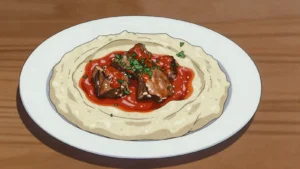 Hunkar begendilamb stew spooned over smoky aubergine béchamel
 DucunuSweet fresh-corn pudding steamed in a corn husk
 Sea moss punchBlended sea moss with milk and spice, a 'strength' drink
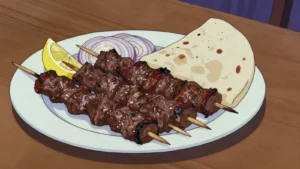 Bihari KebabPapaya-tenderised beef strips grilled on skewers until smoky and soft
 Peanut punchCreamy blended peanut drink with milk and nutmeg
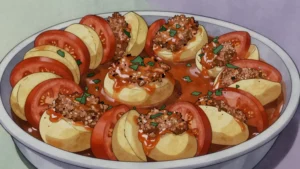 Kaftaminced lamb with parsley and onion, grilled or baked with potatoes
Nutmeg is tagged on 351 dishes from 140 countries in the atlas. These notes are written from general knowledge and carry no per-fact citation — see About.