The ripened chilli, fresh or dried — sweeter and rounder than green, and in its dried form the foundation of the world’s chilli pastes, powders and sauces.
Where it comes from
Left on the plant, a green chilli ripens to red as its sugars rise and its flesh softens; the heat does not necessarily increase, but it is carried on more sweetness, which reads as warmer and less sharp. A ripe red chilli is also the one that can be dried, because the sugars and lower water content let it dry without rotting — which is why almost every dried chilli in the world is a red one.
Dried red chillies are one of the great preserved foods. Whole, they go into oil and stocks; ground, they become chilli powder, cayenne and paprika; soaked and pounded, they are the base of Mexican moles, Indian pastes, Korean gochujang and Tunisian harissa. In each of those kitchens ‘chilli’ means, by default, the dried red one.
Varieties
- Kashmiri — The Indian dried red chilli prized for colour more than heat — a deep red with a mild, fruity warmth. Ground, it is what gives tandoori food its colour.
- Byadgi — From Karnataka. Wrinkled, deep red, mild and used like Kashmiri for colour in southern Indian cooking.
- Guntur — The hot dried red of Andhra Pradesh, and the bulk of India’s chilli exports. Where a curry’s fire comes from.
- Espelette — The Basque pepper, dried and ground, with a protected name. Mild, fruity, a little smoky; finished over dishes rather than cooked in.
- Guajillo — The workhorse dried chilli of central Mexico — thin-skinned, leathery, moderately hot, with berry and green-tea notes. Soaked and blended into red sauces and adobos.
- Facing heaven (chao tian jiao) — The small, round-tipped dried chilli of Sichuan, fried whole in oil by the handful for its aroma; the heat in the dish comes as much from the oil as the pod.
In the kitchen
Toast dried chillies briefly in a dry pan or in hot oil before soaking or grinding them — thirty seconds, until they smell nutty and darken a shade. Longer and they turn bitter. Then soak in hot water until soft and blend with the soaking liquid, straining out the skins for a smooth sauce.
Whole dried chillies fried in oil at the start of a Chinese or Indian dish flavour the fat; the pods themselves are usually left in the dish for show and not eaten. Fresh red chillies are used like green ones but are sweeter and often sliced for colour as much as heat.
Choosing and keeping
Good dried chillies are pliable and leathery, not brittle, and still deeply coloured. Brittle, faded, dusty pods have lost their oils and taste of little. Kept sealed away from light they last a year.
Fresh red chillies keep about a week in the fridge and are quicker to spoil than green ones, being riper. Slit, they dry well strung up in a warm dry room, which is how most of the world has kept them.
Dishes with red chilli
 FufuStiff cassava-corn flour swallow rolled to scoop stews
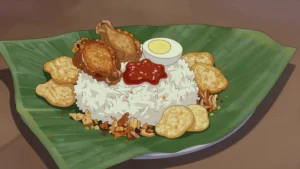 Nasi UdukCoconut rice with fried chicken, tempeh, egg and sambal, wrapped in banana leaf
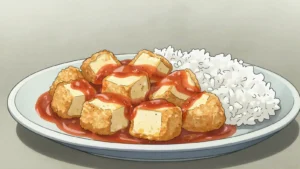 WagashiFulani cow's-milk cheese fried and simmered in spicy tomato sauce
 LaplapNational dish of grated root-crop pudding with coconut cream, baked in leaves
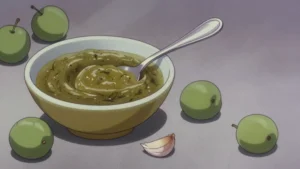 Tkemalitart wild plum sauce with garlic and dill, poured over everything
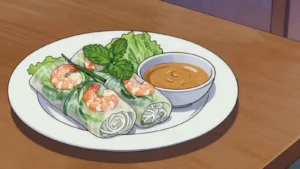 Goi CuonFresh rice-paper rolls of shrimp, herbs and vermicelli with peanut dip
 Jani me fasuleolive-oil white bean stew, everyday comfort
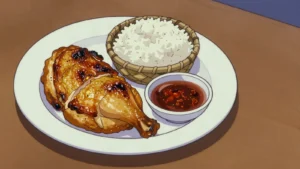 Kai YangIsan grilled chicken with sticky rice and jaew dipping sauce
Red chilli is tagged on 253 dishes from 92 countries in the atlas. These notes are written from general knowledge and carry no per-fact citation — see About.