
Air-dried Basque ham, cured with salt from Salies-de-Béarn and dried in the air of the Adour valley. The ham fair at Bayonne dates from the Middle Ages, and the ham won PGI protection in 1998.
It is a protected geographical indication tied to one salt source and one valley’s air, and curing a whole leg for months depends on humidity and temperature cycles a kitchen cannot hold.
What goes into it
- a pork leg from the designated south-west region
- salt from Salies-de-Béarn
- sometimes piment d’Espelette for the rind
How it is made
The leg is rubbed and buried in salt for a period fixed by its weight, then rested cold so the salt equalises through the muscle. It is washed, hung in a drying room open to the valley’s changing winds, and left for months, losing well over a third of its weight. The last stage is a warm cellar where the fat mellows.
How long it takes: at least seven months, usually nine to twelve
How it is eaten
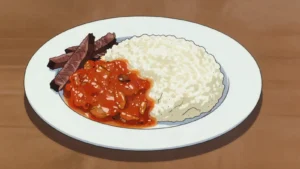
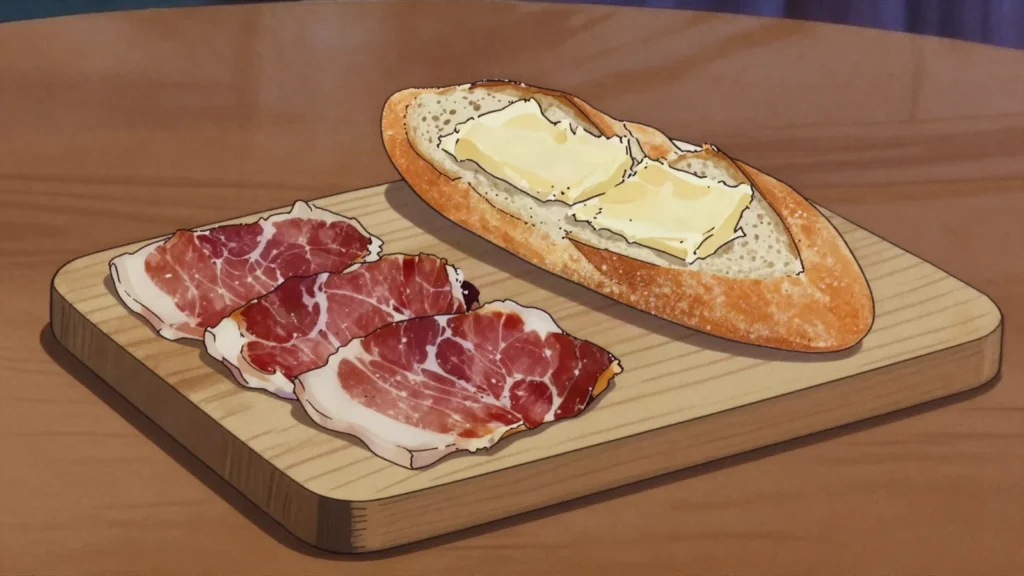
Sliced thin with bread and butter, with piperade, or wrapped around melon.
History
Cured with salt from Salies-de-Béarn and dried in Adour valley air; the ham fair at Bayonne dates from the Middle Ages and PGI came in 1998.
Frequently asked questions
What is Jambon de Bayonne?
Jambon de Bayonne is a charcuterie & cured from France: air-dried Basque ham, sliced thin and eaten with bread and butter. Cured with salt from Salies-de-Béarn and dried in Adour valley air; the ham fair at Bayonne dates from the Middle Ages and PGI came in 1998.
How is Jambon de Bayonne made?
The leg is rubbed and buried in salt for a period fixed by its weight, then rested cold so the salt equalises through the muscle. It is washed, hung in a drying room open to the valley’s changing winds, and left for months, losing well over a third of its weight. The last stage is a warm cellar where the fat mellows. It takes at least seven months, usually nine to twelve.
Can I make Jambon de Bayonne at home?
No, and the atlas gives no method for it. It is a protected geographical indication tied to one salt source and one valley’s air, and curing a whole leg for months depends on humidity and temperature cycles a kitchen cannot hold.
What goes into Jambon de Bayonne?
A pork leg from the designated south-west region, salt from Salies-de-Béarn, sometimes piment d’Espelette for the rind.
How is Jambon de Bayonne eaten?
Sliced thin with bread and butter, with piperade, or wrapped around melon.