The small, ivory, resinous seed of a handful of pine species — the most expensive common nut, gathered by hand from cones — the nut of pesto, of Middle Eastern rice and meat dishes, and of the Spanish and Italian pastries that have used it since Rome.
Where it comes from
Several pines around the world bear seeds large enough to eat, and each region has its own: the Mediterranean stone pine of Italy, Spain and the Levant, whose long, slender seeds are the pignoli of pesto and the snobar of Lebanese cooking; the Korean pine of northeast Asia, which gives the shorter, fatter, cheaper nut that now dominates world trade; the piñon pines of the American Southwest, gathered by Native peoples for millennia; and the Siberian and Himalayan pines. Cones must be dried and cracked and each seed shelled, which is why the nut costs what it does.
In the Mediterranean and Middle East the pine nut is a savoury nut. Toasted and scattered over hummus, over rice, in stuffed vegetables and kibbeh, in the Sicilian pasta con le sarde with raisins, in Catalan spinach with raisins, and pounded with basil, garlic and Parmesan into pesto alla genovese. Sweet, it is in the Italian pignoli cookie and the Spanish panellets. A few people experience ‘pine mouth’ — a bitter metallic taste lasting days — after eating some Asian pine nuts; it is harmless and passes.
Varieties
- Mediterranean stone pine (Pinus pinea) — Long, slender, ivory, delicately resinous; the finest and dearest. Italian, Spanish, Lebanese, Turkish.
- Korean / Chinese pine nut (P. koraiensis) — Shorter, plumper, with a slightly stronger flavour and a small brown tip; most of what is sold.
- Siberian pine nut — Small and sweet; Russian.
- Piñon (P. edulis, P. monophylla) — The American Southwest’s nut, round and rich; gathered wild, expensive.
- Chilgoza — The Himalayan pine nut of Pakistan and Afghanistan, long and thin.
In the kitchen
Toast them — gently, in a dry pan, shaking constantly, for two or three minutes until golden — and watch every second: they go from pale to burnt in a moment. Toasted, they are scattered over hummus, rice, salads and stuffed vegetables, or folded into a pilaf. Raw, they are pounded for pesto, where toasting would fight the basil.
They pair with raisins and greens (Sicily, Catalonia), with lamb and rice (Levant, Turkey), with basil (Liguria), with honey and orange (Spanish pastry). Fried in a little butter or oil and poured over a dish, they are the Lebanese finish for hummus, fatteh and kibbeh.
Choosing and keeping
Pine nuts go rancid quickly because of their oil; buy small quantities from a shop that turns them over and keep them in the fridge or freezer. Fresh nuts are ivory and smell faintly of resin; yellowed, shiny or sharp-smelling nuts are rancid.
Mediterranean pine nuts are sold at a premium in Italian and Middle Eastern shops and are worth it for pesto and for eating; Korean nuts are fine for scattering and cooking.
Dishes with pine nut
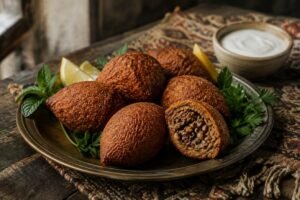 Kibbehnational dish of pounded bulgur and lamb, fried, baked or raw
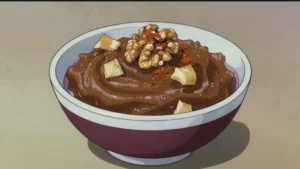 Charosetpaste of fruit, nuts and wine eaten at the Passover seder
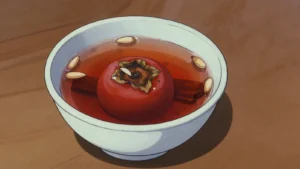 SujeonggwaChilled cinnamon and ginger punch with dried persimmon and pine nuts.
 Sfihaopen-faced spiced meat pies with pomegranate tang; Baalbek's pride
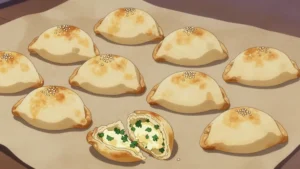 SambousekFolded pastry triangles filled with cheese, meat or spinach and fried
 Shish barakmeat dumplings simmered in hot yoghurt sauce
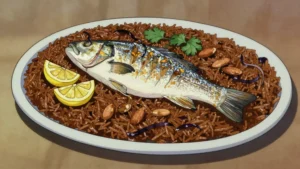 Sayadeyafish baked over caramelised-onion spiced rice; Alexandrian coastal favourite
 Maqlubaflipped rice-vegetable-chicken pot, Friday family centerpiece
Pine nut is tagged on 53 dishes from 25 countries in the atlas. These notes are written from general knowledge and carry no per-fact citation — see About.