The stretched-curd cheese of southern Italy — milky, elastic, mild, best eaten the day it is made — in its true form from water buffalo milk and, in its everyday form, the cow’s milk fior di latte that melts on every pizza in the world.
Where it comes from
Mozzarella belongs to the pasta filata family — cheeses whose curd is scalded and kneaded until it stretches, then torn (mozzare, to cut off) into balls. It was being made from water buffalo milk in Campania by the twelfth century, when the buffalo herds of the Naples marshes were established, and mozzarella di bufala campana remains a protected product: porcelain white, dripping with whey, tangy and rich. Fior di latte is the same technique with cow’s milk — milder, firmer, and the mozzarella of the pizza oven.
Fresh mozzarella is a day-old cheese and is at its best warm from the making, eaten with nothing but olive oil and salt; it does not improve and within days turns rubbery. Low-moisture mozzarella — the firm, dry block or bag of grated cheese — was developed in America for pizza, where fresh mozzarella’s water would make the base soggy; it melts and browns evenly and tastes of little. Burrata is a mozzarella pouch filled with cream and shreds of curd; scamorza is mozzarella lightly aged and often smoked.
Varieties
- Mozzarella di bufala campana — Water buffalo milk; soft, wet, tangy, rich. Eaten raw, with tomato and basil or on a pizza added after baking.
- Fior di latte — Cow’s milk fresh mozzarella; milder, firmer. For pizza and caprese where bufala is not available.
- Low-moisture mozzarella — Firm, dry, shreddable; the American pizza cheese. Melts and browns well, little flavour.
- Burrata — A mozzarella pouch filled with cream and stracciatella. Cut open at the table over tomatoes or grilled bread.
- Scamorza — Fresh mozzarella dried a few days and shaped like a pear, often smoked. Grills and melts well.
- Bocconcini and ciliegine — Small and cherry-sized balls of fresh mozzarella for salads.
In the kitchen
Fresh mozzarella wants no cooking: torn over a caprese with tomato, basil, oil and salt, or over a pizza in the last minute so it warms without weeping. If it must go into the oven, drain it well and tear rather than slice. Bufala on a cooked pizza should be added after baking, not before.
Low-moisture mozzarella is the cheese for a pizza that bakes for ten minutes, for lasagne and for anything that must melt and stretch without releasing water. Scamorza grills beautifully in slices. For a smooth melt in a sauce, mozzarella alone turns stringy; combine it with a softer cheese.
Choosing and keeping
Fresh mozzarella should sit in its whey and be eaten within a day or two of purchase; bufala especially loses its charm fast. Keep it in the liquid at cool room temperature for the day of eating, or in the fridge and bring it out an hour before. Never freeze fresh mozzarella.
Low-moisture mozzarella keeps for weeks refrigerated and freezes acceptably grated. Bufala should be labelled DOP and made in Campania; a ‘buffalo mozzarella’ without the mark may be a blend.
Dishes with mozzarella
 KallajThin pastry sheets fried with cheese and soaked in syrup, eaten in Ramadan.
 Pizza a caballoSlice of pizza with a slice of faina laid on top, eaten standing
 Chvishtaricornmeal cakes packed with sulguni and fried until the cheese pulls
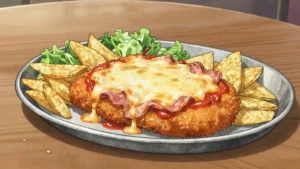 Chicken ParmigianaBreaded chicken schnitzel with tomato sauce and melted cheese, pub-night staple
 Bizcochos de CayambeDry salty butter biscuits baked in wood ovens, eaten with string cheese
 Samboosathin fried pastry triangles of meat, cheese or vegetables
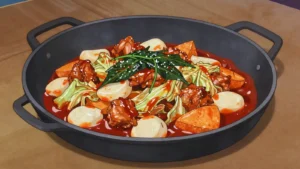 DakgalbiChuncheon stir-fry of chicken, cabbage and rice cakes in gochujang
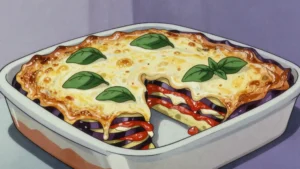 Parmigiana di melanzanefried aubergine baked with tomato, mozzarella, basil
Mozzarella is tagged on 45 dishes from 30 countries in the atlas. These notes are written from general knowledge and carry no per-fact citation — see About.