
Ingredients
The drink
- 150 mlDalmatian red or white wine
- 100 mlcold still water
Sometimes
- sparkling water, for a gemist
- ice, in very hot weather
To serve
- a plain tumbler
- food, alongside
Directions
- Bevanda is wine mixed with still water.
- It is drunk along the Croatian coast with meals.
- It is a custom rather than a cocktail.
- The word simply means drink or beverage.
- Watering wine is an old Mediterranean habit.
- It goes back to Greek and Roman practice.
- The reason is practical rather than aesthetic.
- It lets people drink wine through a working day.
- It also stretches the wine, which mattered historically.
- It is drunk with food rather than on its own.
- Understanding the ratio is the whole thing.
- The usual proportion is roughly three parts wine to two of water.
- Some drinkers go half and half.
- Others use only a splash of water.
- The ratio shifts with the wine and with the drinker.
- A heavy red takes more water than a light white.
- Older people often water it more heavily.
- Nobody measures it and everyone has their own habit.
- Choosing the wine is the important decision.
- Dalmatian wines are what bevanda is made with.
- Plavac Mali is the great red grape of the coast.
- Posip and Grk are among the white grapes.
- The wine should be honest and unpretentious.
- A rough young local wine is exactly right.
- Watering an expensive bottle would be a waste.
- It would also be considered slightly odd.
- Understanding the water matters too.
- Bevanda is made with still water.
- That is what distinguishes it from a gemist.
- Gemist is white wine with sparkling water.
- That drink is more associated with inland Croatia.
- Bambus is red wine mixed with cola.
- That is a different thing again and quite modern.
- Bevanda is specifically wine and still water.
- The water should be cold and clean.
- Making it takes no technique at all.
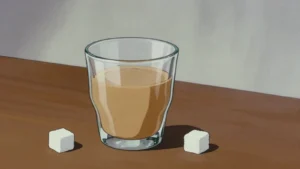
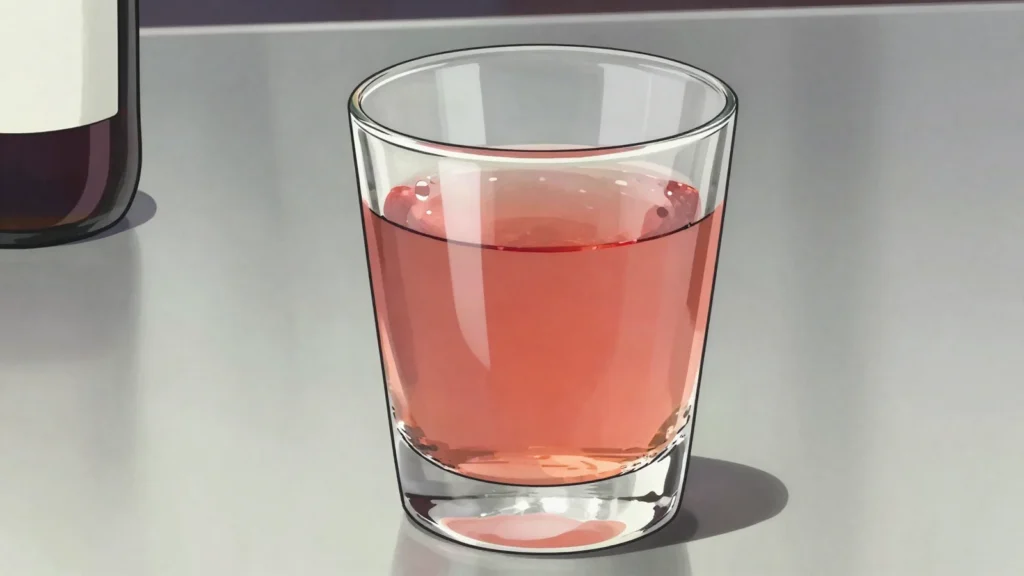
- Pour the wine into a plain tumbler.
- Add the cold water to the glass.
- Stir it once if you like, or not at all.
- There is no shaking or measuring involved.
- That plainness is genuinely the point.
- Serving it is a matter of custom.
- It is served in an ordinary glass tumbler.
- A wine glass would look wrong.
- It is drunk with lunch and with dinner.
- Grilled fish and lamb are the usual company.
- It also appears at mid-morning breaks.
- Fishermen and workers have long drunk it that way.
- It is not a drink for a bar in the evening.
- Adding ice is a more modern habit.
- Some people add ice in very hot weather.
- Older drinkers often disapprove of it.
- Ice dilutes it further as it melts.
- Cold water alone is the traditional approach.
- A note on how it is regarded is worth making.
- In some countries watering wine is thought crude.
- On the Dalmatian coast it is entirely normal.
- It is what most people drink at the table.
- Ordering it in a coastal konoba is unremarkable.
- It is drunk fresh and made one glass at a time.
- There is no point making it in advance.
Technique
- Watering wine is an old Mediterranean practice with roots in the classical world, and survives as everyday habit on the Dalmatian coast.
- Gemist, made with sparkling water, and bambus, made with cola, are related Croatian drinks but are not the same thing.
Substitutions
- Any honest young wine works, and the local rough wine is what is traditionally used.
- Sparkling water in place of still water makes a gemist rather than a bevanda.
Variations
- Gemist uses white wine with sparkling water and belongs to inland Croatia.
- Bambus mixes red wine with cola and is a more recent habit.
- Some drinkers make it much weaker as a hot-weather drink.
History
Coastal Croatian custom of watering wine, an old Mediterranean habit that lets workers drink through the day.
Frequently asked questions
What is Bevanda?
Bevanda is a cocktail from Croatia: red or white wine mixed with still water, taken with a Dalmatian meal. Coastal Croatian custom of watering wine, an old Mediterranean habit that lets workers drink through the day.
How long does Bevanda take to make?
Bevanda takes 1 minute of preparation and none of cooking. The recipe makes 1 glass. It is rated easy to make.
What can I substitute in Bevanda?
Yes, within limits. Any honest young wine works, and the local rough wine is what is traditionally used. Sparkling water in place of still water makes a gemist rather than a bevanda.