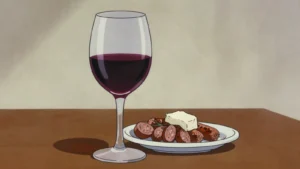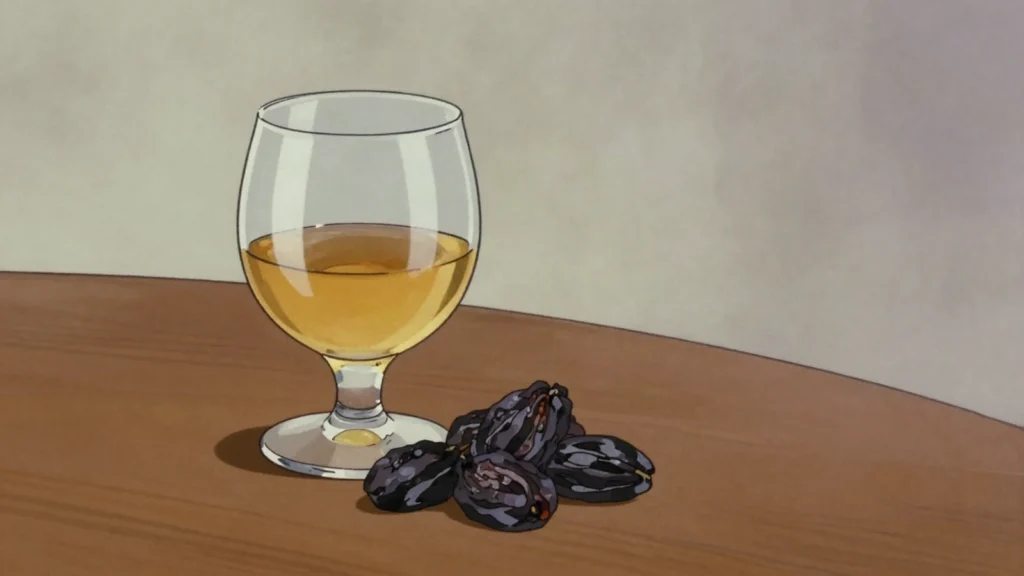

Plum brandy, the defining spirit of Bosnia and the wider Balkans, distilled from Požegača plums and poured before a meal rather than after. Homemade bottles are a fixture of hospitality, and a household’s own is offered as a point of pride.
Distilling spirits without a licence is a criminal offence across the EU, the UK and most of the world, and the cut that separates drinkable spirit from the methanol-bearing heads is exactly the step that goes wrong.
What goes into it
- ripe plums, traditionally the Požegača variety
- nothing else
How it is made
Crushed ripe plums are left to ferment on their own sugars in a barrel for two or three weeks. The fermented mash is then distilled, usually twice, in a copper pot still: the first run yields a weak spirit, the second concentrates it, and the distiller cuts away the volatile heads and the heavy tails to keep only the middle. Good šljivovica is then rested in wood or glass for a year or more.
How long it takes: weeks to ferment, then a year or more of rest
How it is eaten
In a small glass before the meal, with meze; also warmed with sugar and pepper as a cold remedy.
History
Distilled from the region’s plum orchards, especially the Požegača variety; homemade rakija remains a fixture of Bosnian hospitality.
Frequently asked questions
What is Šljivovica?
Šljivovica is a wine & spirit from Bosnia and Herzegovina: plum brandy distilled from Požegača plums, poured before meals. Distilled from the region’s plum orchards, especially the Požegača variety; homemade rakija remains a fixture of Bosnian hospitality.
How is Šljivovica made?
Crushed ripe plums are left to ferment on their own sugars in a barrel for two or three weeks. The fermented mash is then distilled, usually twice, in a copper pot still: the first run yields a weak spirit, the second concentrates it, and the distiller cuts away the volatile heads and the heavy tails to keep only the middle. Good šljivovica is then rested in wood or glass for a year or more. It takes weeks to ferment, then a year or more of rest.
Can I make Šljivovica at home?
No, and the atlas gives no method for it. Distilling spirits without a licence is a criminal offence across the EU, the UK and most of the world, and the cut that separates drinkable spirit from the methanol-bearing heads is exactly the step that goes wrong.
What goes into Šljivovica?
Ripe plums, traditionally the Požegača variety, nothing else.
How is Šljivovica eaten?
In a small glass before the meal, with meze; also warmed with sugar and pepper as a cold remedy.