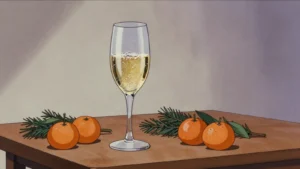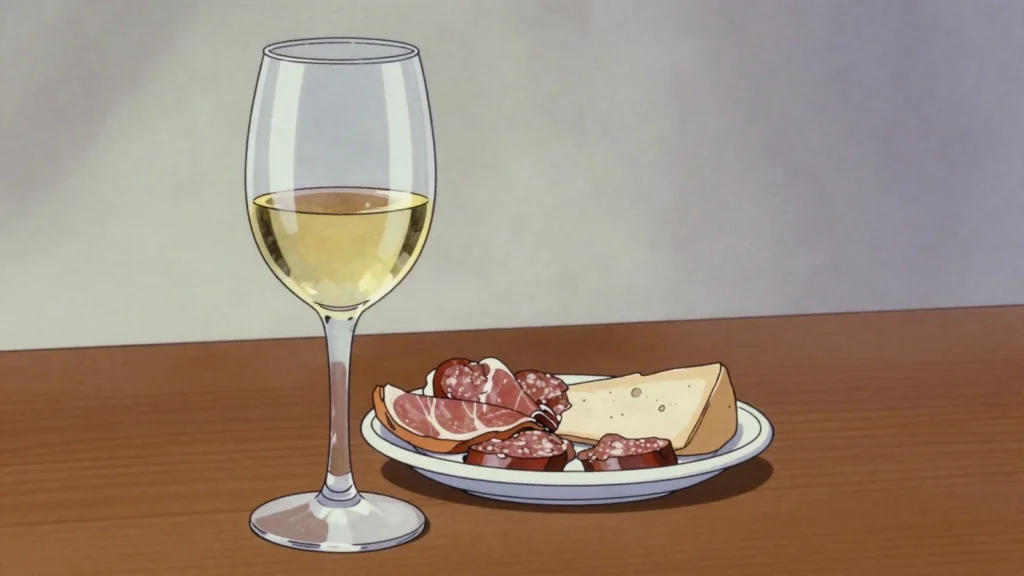

A light off-dry white and the everyday Luxembourg Moselle pour. Rivaner is the local name for Müller-Thurgau, long the most widely planted grape on the river.
Wine is grown, not cooked, and made in a licensed cellar under a national certification scheme.
What goes into it
- Müller-Thurgau grapes
- yeast
How it is made
The grapes ripen early and easily on the Moselle terraces, are pressed and fermented cool in steel, and the fermentation is usually stopped with a little sugar left, which is what makes it off-dry. It is bottled young and drunk within a year or two.
How long it takes: one vintage a year
How it is eaten
Cold as an aperitif, at a wine festival, or with charcuterie and cheese.
History
The local name for Müller-Thurgau, long the most widely planted grape on the Luxembourg Moselle.
Frequently asked questions
What is Rivaner?
Rivaner is a wine & spirit from Luxembourg: light off-dry white wine, the everyday Luxembourg Moselle pour. The local name for Müller-Thurgau, long the most widely planted grape on the Luxembourg Moselle.
How is Rivaner made?
The grapes ripen early and easily on the Moselle terraces, are pressed and fermented cool in steel, and the fermentation is usually stopped with a little sugar left, which is what makes it off-dry. It is bottled young and drunk within a year or two. It takes one vintage a year.
Can I make Rivaner at home?
No, and the atlas gives no method for it. Wine is grown, not cooked, and made in a licensed cellar under a national certification scheme.
What goes into Rivaner?
Müller-Thurgau grapes, yeast.
How is Rivaner eaten?
Cold as an aperitif, at a wine festival, or with charcuterie and cheese.