The Old World’s original bean — large, flat, green when young and brown when dried — eaten fresh and skinned as a spring treat across the Mediterranean and dried and stewed as the breakfast of Egypt and the Levant.
Where it comes from
Before the American beans arrived, the broad bean was the bean of Europe, the Middle East and North Africa, grown since the Neolithic and eaten by the Egyptians, Greeks and Romans; the Roman family name Fabius comes from it. It stayed the staple bean of the eastern Mediterranean and North Africa long after haricots displaced it in the north: Egyptian ful medames — dried favas simmered overnight and dressed with oil, lemon, cumin and garlic — is the national breakfast, and the Levant, Iraq and Ethiopia have their versions.
Fresh, the broad bean is a spring vegetable of the Mediterranean and northern Europe, shelled from its furry pod and, ideally, popped from the pale skin that surrounds each bean to reveal the bright green kernel. Italy eats the very young beans raw with pecorino; Spain stews them with ham; Britain has them with bacon and parsley sauce. Dried and skinned, the yellow split fava is the base of Egyptian ta’ameya falafel and of Greek fava purée.
Varieties
- Fresh broad beans — Large green beans in a padded pod; shelled, blanched, and the skins slipped off. A late spring vegetable.
- Dried broad beans (ful) — Small brown whole beans, soaked and simmered long. The Egyptian ful medames bean.
- Split dried fava (ful nabed) — Skinned and split, cooking to a purée; for Egyptian falafel and bessara, the Moroccan soup.
- Baby broad beans — Picked very small; the pods and beans can be eaten whole, or the beans raw.
- Yellow split pea ‘fava’ (Greek) — The Greek fava is a yellow split pea purée, not broad beans — a naming confusion worth knowing.
In the kitchen
Fresh: shell from the pod, blanch a minute or two in boiling water, cool, and slip each bean from its grey-green skin — tedious, transforming, and unnecessary only for the very youngest beans. Then warm in butter or oil with mint or savory, or crush with pecorino and lemon. A kilo of pods gives a modest bowl of beans.
Dried whole favas need a long soak and hours of slow simmering — the traditional Egyptian pot goes overnight — until they collapse; then oil, lemon, cumin, garlic, chopped tomato and egg on top. Skinned split favas cook faster to a purée for soups and the falafel batter.
Choosing and keeping
Fresh pods should be firm, plump and bright green with a velvety inside; large lumpy pods hold starchy old beans. Use within a day or two. Shelled and skinned beans freeze very well.
Dried favas keep a year or more; small brown Egyptian beans and skinned split beans are sold in Middle Eastern shops, and tinned ful is a good product. A rare inherited condition, favism, makes broad beans dangerous to those who have it; they will know.
Dishes with fava
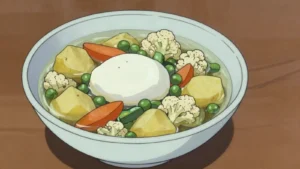 Soppa tal-armlaWidow's soup of poor-man's vegetables topped with a fresh ġbejna and egg.
 Pan bagnatRound loaf soaked in olive oil and filled with salade niçoise
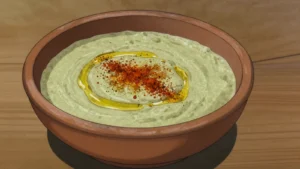 Bissarasilky dried fava bean soup with olive oil, garlic and cumin; winter warmer
 Bajellabroad beans boiled with cumin, lime and chilli, eaten with hot bread
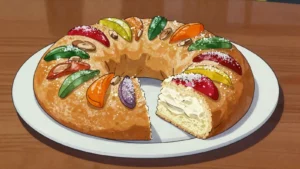 Roscon de ReyesOrange-scented ring loaf topped with candied fruit, hiding a bean and a figurine.
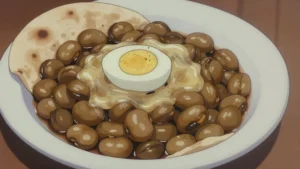 Bajilla bil dihinBoiled broad beans in their skins served over bread with hot fat and egg.
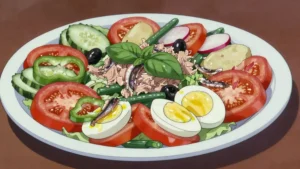 Salade niçoiseTuna, anchovies, olives, green beans, egg, tomato salad.
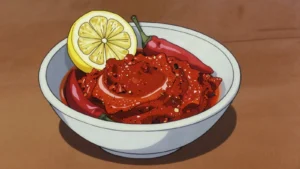 ShataFierce chili and garlic paste spooned onto ful, meat and kisra
Broad beans (fava) is tagged on 33 dishes from 28 countries in the atlas. These notes are written from general knowledge and carry no per-fact citation — see About.