The sweet green seeds of a Near Eastern legume — fresh in early summer, frozen the rest of the year, and dried and split into the yellow and green pulses of soups and dals across Europe, India and the Caribbean.
Where it comes from
Peas were among the first crops of the Fertile Crescent, grown alongside wheat and barley ten thousand years ago, and for most of their history they were eaten dried — a storable protein, the pease of pease pudding and porridge. Eating them fresh and green was a luxury that began in Renaissance Italy and reached its height at the French court in the seventeenth century, when petits pois were a craze; the garden pea’s sweetness was bred in over the following centuries.
Freezing changed everything. A pea’s sugar turns to starch within hours of picking, so a fresh pea in a shop is usually past its best, while a pea frozen within minutes of harvest keeps its sweetness — which is why frozen peas are, unusually, better than most fresh ones. The dried pea remains a staple: split yellow peas in Scandinavian and German soups, green in English pease pudding, both in Indian dals and the pigeon peas and gungo peas of Caribbean rice.
Varieties
- Garden pea (petit pois, shelling pea) — Sweet, round, green, shelled from the pod. Frozen within hours of picking or eaten the day it is picked.
- Mangetout (snow pea) — Flat pods eaten whole, pod and all; crisp, quick to cook.
- Sugar snap — Rounded edible pods with full-sized peas inside; crunchy and very sweet raw.
- Marrowfat pea — Large, starchy peas left to mature and dry; for mushy peas and wasabi peas.
- Split pea (yellow, green) — Dried peas hulled and split. For soups, pease pudding and Indian matar dal.
- Pigeon pea (gungo pea, toor dal) — A different legume, but a ‘pea’ in the Caribbean and India; in rice and peas and in toor dal.
In the kitchen
Fresh or frozen green peas need a minute or two in boiling water or a knob of butter in a pan — no more, or they turn grey and floury. Frozen peas go straight from freezer to pan. They pair with mint, butter, lettuce, bacon, shallot and cream, and with paneer, ginger and cumin in India.
Dried split peas need no soaking and cook to a purée in forty minutes to an hour; whole dried peas need an overnight soak. Yellow split pea soup with ham or salt pork is the winter dish of half of northern Europe; green split peas with mint make pease pudding.
Choosing and keeping
Fresh peas in the pod should be bright, plump and squeaky; eat them the day they are bought. For anything else, frozen peas are the honest choice and are cheaper. Mangetout and sugar snaps keep a few days and should be crisp.
Dried peas keep a year or more in a sealed jar; older ones take longer to soften. Do not add salt or acid until they are tender.
Dishes with peas
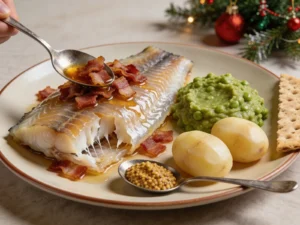 LutefiskLye-treated dried cod, translucent, with bacon and peas; Christmas.
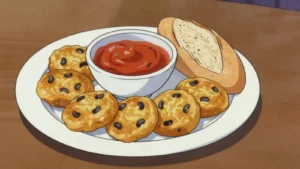 Accarablack-eyed-pea fritters with spicy kaani tomato sauce, often in baguette
 Stuffat tal-fenekrabbit stewed in wine, garlic and tomato, the national dish
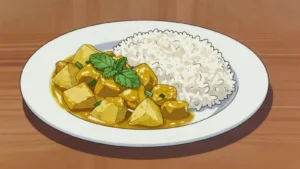 Cau cauTripe cubes stewed with potato, turmeric and mint, served with rice
 ChlebíčkyOpen party sandwiches piled with potato salad, ham, egg.
 FiambreVast chilled salad of meats and pickled vegetables for Day of the Dead
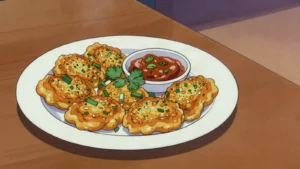 Gato pimanFried balls of ground split peas spiced with chilli and herbs
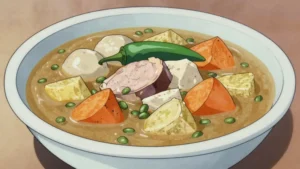 SancocheThick soup of salt meat, ground provisions, split peas and dumplings
Peas is tagged on 133 dishes from 86 countries in the atlas. These notes are written from general knowledge and carry no per-fact citation — see About.