The tough, dark, hardy leaves — kale, collards, chard, cavolo nero — that stand in the field through frost and need proper cooking, and that fed northern Europe, the American South and the Mediterranean through winter long before anyone called them superfoods.
Where it comes from
Kale and collards are the oldest cultivated cabbages — the loose-leaved plants that the Greeks and Romans grew before anyone bred a head — and they stayed the winter green of the poor across Europe: Scottish kail, German Grünkohl, Portuguese couve for caldo verde, Tuscan cavolo nero in ribollita. Collards went to the American South with English and African cooks and became a defining dish there, cooked long with smoked pork. Chard is a beet grown for its leaves, and a different plant, but is cooked the same way.
These are leaves for cooking, not salads, whatever the last decade said. Their cell walls are tough and their flavour is bitter and sulphurous raw; long cooking with fat, garlic and something acid or smoked turns them sweet, silky and deep. Frost improves them — the plant converts starch to sugar against the cold, which is why kale is a winter vegetable.
Varieties
- Curly kale — Ruffled, blue-green, tough; the northern European kale. Needs long cooking or hard massaging.
- Cavolo nero (Tuscan kale, black cabbage) — Long, dark, blistered leaves; sweeter and more tender than curly. For ribollita and with beans.
- Collard greens — Broad, flat, smooth leaves; the Southern US green, simmered with ham hock or smoked turkey.
- Swiss chard (silverbeet) — Beet leaves with thick white or red stalks; leaves like spinach, stalks like celery. Mediterranean and Middle Eastern.
- Portuguese cabbage (couve galega) — The tall loose-leaved cabbage shredded fine for caldo verde.
- Red Russian and other salad kales — Tender, flat-leaved varieties bred to be eaten young and raw.
In the kitchen
Strip the leaves from the tough central ribs — chard stalks are worth keeping and cooking separately, kale ribs are not — and cook them longer than seems necessary in a pan with oil or fat, garlic and a splash of water or stock, until they are tender and dark and have lost their squeak. Finish with lemon, vinegar or chilli. Blanched first, they fry faster.
Kale with white beans, garlic and olive oil is Tuscany; with potato and chorizo, Portugal; collards with smoked pork and vinegar, the American South; chard with chickpeas and tahini, the Levant. Roasted thin at high heat, kale becomes a crisp, which is the one thing curly kale does better than the others.
Choosing and keeping
Crisp, deeply coloured leaves with no yellowing or wilting; small leaves are more tender. Wrapped in a bag in the fridge they keep a week. Wash well — the curls hold grit.
Cooked greens keep several days and reheat well; collards and kale are, like most braised things, better the second day. Frozen chopped kale is acceptable for soups.
Dishes with kale
 Zhingyalov hatsflatbread stuffed with a dozen chopped wild herbs; Artsakh specialty
 ColcannonMashed potatoes folded with kale or cabbage and butter.
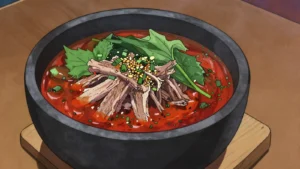 Tangogi GukDog-meat soup with perilla and greens, eaten as a summer stamina dish.
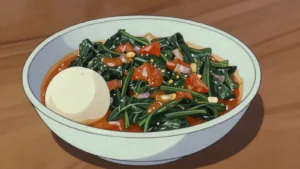 KalembulaSweet potato leaves stewed with tomato, onion and groundnut
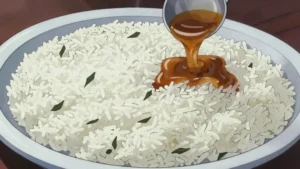 Check ricerice cooked flecked with greens, eaten under gravies
 Muriwo unedovileafy greens simmered in creamy peanut butter
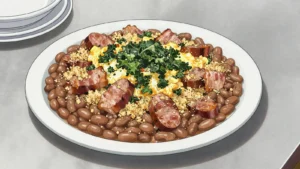 Feijão tropeiroMinas beans tossed with cassava flour, sausage, eggs and kale
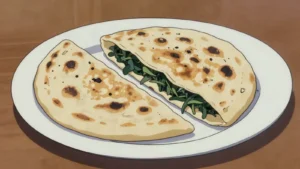 CassonePiadina folded over greens or cheese and griddled shut, eaten hot.
Kale and the cooking greens is tagged on 48 dishes from 34 countries in the atlas. These notes are written from general knowledge and carry no per-fact citation — see About.