The tiny round seeds — yellow, brown or black — that Indian cooking pops in hot oil at the start of a dish and European cooking crushes into pickles and condiments; nutty and mild when fried, sharp and hot when ground and wetted.
Where it comes from
Three plants supply the seed. White (or yellow) mustard is the mildest and the seed of American yellow mustard and of pickling spice; brown mustard is hotter and the seed of Dijon and of most Indian cooking; black mustard is hottest of all and now rarer, having been largely replaced by brown, which is easier to harvest by machine. The plants are relatives of cabbage and rape, and mustard greens and mustard oil come from the same family.
In India the seed is used whole and hot: spooned into smoking oil or ghee at the start of a dish, where it pops and turns nutty within seconds, and the oil is then used to build the dish or poured over it as a tempering. Ground raw and mixed with water, the same seed is fiercely pungent — the enzyme reaction that makes prepared mustard hot — which is why Bengali cooking, which grinds it into pastes for fish, tastes so different from the tempered south.
Varieties
- Yellow (white) mustard seed — Largest and mildest; pale yellow. For American mustard, pickling spice and brining.
- Brown mustard seed — Small, reddish-brown, hot. The seed of Dijon and of Indian tempering, pickles and pastes.
- Black mustard seed — Smallest, darkest, hottest. Traditional in south Indian cooking; often replaced by brown in trade.
- Mustard oil — Pressed from the seed; pungent and hot, the cooking fat of Bengal and Nepal. Sold in the West as ‘for external use’ for regulatory reasons.
In the kitchen
Heat oil until it shimmers, add the seeds, and cover or stand back: they pop and jump for a few seconds and turn grey-brown and nutty. Add the next ingredients as soon as the popping slows — a second too long and they scorch. This tadka starts a south Indian dal, a Gujarati vegetable or a coconut chutney.
For pickles, whole seeds go into the brine; for a paste, soak them and grind with a little water — the Bengali shorshe for mustard fish — and let it stand ten minutes to develop its heat. Crushed seed with vinegar and sugar is the base of a home-made wholegrain mustard.
Choosing and keeping
Whole seeds keep for two or three years sealed and dry. Brown and black are sold in Indian shops in large cheap bags; yellow in most supermarkets. Ground mustard powder loses its heat within a year.
Do not confuse the brown seed with nigella, which is black, teardrop-shaped and sometimes mislabelled ‘black onion seed’ or ‘black cumin’; the two are used quite differently.
Dishes with mustard seed
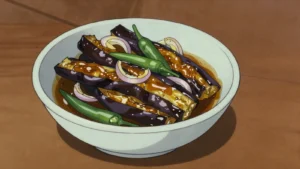 Wambatu MojuCaramelised pickled aubergine relish for festive rice
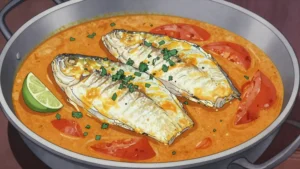 Fish SuruwaIndo-Fijian fish curry with coconut milk, tomato and spices
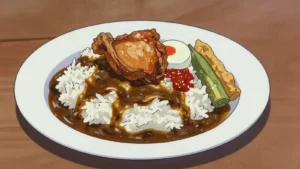 Nasi KandarPenang rice flooded with mixed curries from Indian-Muslim stalls
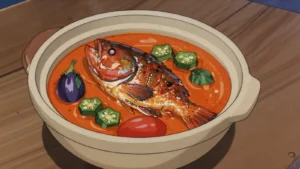 Fish Head CurryRed snapper head in South Indian curry with okra and aubergine
 Sept cariSeven vegetable curries served together on a banana leaf with rice
 Montreal smoked meatCured spiced brisket piled high on rye with mustard
 Vada PavMumbai bun with fried potato fritter and garlic chutney
 SambarTangy tamarind-lentil stew with vegetables, South Indian staple
Mustard seed is tagged on 33 dishes from 20 countries in the atlas. These notes are written from general knowledge and carry no per-fact citation — see About.