The dried flower bud of a Moluccan tree — nail-shaped, dark brown, intensely sweet and numbing — a spice so strong that one or two are enough for a pot, and the one that must be counted out and counted back.
Where it comes from
Cloves are native to the same handful of Indonesian islands as nutmeg and were traded across Asia thousands of years before Europeans found the source; Han dynasty courtiers held them in their mouths to sweeten their breath before speaking to the emperor. The Portuguese and then the Dutch fought for the monopoly; the French broke it by smuggling trees to Zanzibar and Madagascar, and Zanzibar became the great clove island of the nineteenth century. Indonesia now grows most of the world’s crop and burns much of it in kretek cigarettes.
The bud is picked pink, before it opens, and dried until it turns brown and hard. Its oil, eugenol, is a mild anaesthetic — the traditional remedy for toothache — which is the numbing warmth on the tongue. It is a spice of small numbers: in a garam masala, a mulled wine, a stock or a ham, cloves are added by the piece, and a recipe that says ‘six cloves’ means six buds, not six cloves of garlic.
Varieties
- Whole cloves — Dark, oily, with the round head intact. Hold the flavour for years; used whole and removed, or ground fresh.
- Ground cloves — Powerful and quick to lose its edge. Use in pinches.
- Zanzibar and Madagascar cloves — Large, oily, high in eugenol; the classic export grades.
- Indonesian cloves — Most of the crop; slightly smaller, much of it used domestically.
In the kitchen
Count them. Two or three whole cloves in a stock, a braise, a rice or a pot of mulled wine, removed before serving; a whole onion studded with a few cloves in a béchamel or a pot of beans; a pinch of ground clove in a spice mix or a cake. More than that and everything tastes of the dentist.
Cloves belong with cinnamon, nutmeg and cardamom in sweet spicing; with bay and pepper in a stock; with ham, apples and oranges. Pushed into the fat of a ham before it is glazed, they season it and decorate it at once.
Choosing and keeping
Whole cloves should be dark, plump and slightly oily; a good one leaves a trace of oil when pressed with a fingernail and sinks or stands upright in water. Pale, dry, headless cloves are old. Whole, they keep for years; ground, for a few months.
Grind whole cloves as needed in a mortar or a spice grinder; a little goes into most of the world’s spice blends, from garam masala to Chinese five-spice to Jamaican jerk.
Dishes with clove
 KourabiedesButtery almond shortbread buried under thick icing sugar.
 Tacos al pastorChile-marinated pork shaved from a spit, with pineapple and coriander
 TojoríHot maize porridge drink with cinnamon, sold at dawn in winter
 MutakiSmall rolled pastries stuffed with walnut and sugar, dusted with icing sugar.
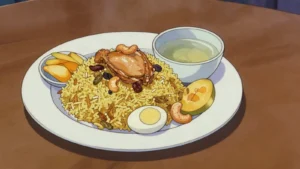 DanbaukBurmese biryani of chicken and rice, festive favourite
 Qagħaq tal-għaselhoney rings filled with dark treacle, spices
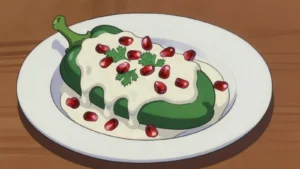 Chiles en nogadaStuffed poblano in walnut cream with pomegranate; patriotic colours
 Habichuelas con dulceSweet spiced cream-of-beans dessert for Lent
Clove is tagged on 402 dishes from 149 countries in the atlas. These notes are written from general knowledge and carry no per-fact citation — see About.