The pungent, peppery, slightly bitter herb of Greek, Italian and Mexican cooking — the one that tastes of pizza, and the rare herb that is better dried than fresh.
Where it comes from
Oregano is a Mediterranean hillside plant related to marjoram and thyme; the name is Greek for ‘joy of the mountain’. Greeks scatter the dried herb over grilled meat, salads and feta; southern Italians over pizza, in tomato sauces and on bread. It was little used in northern Europe or North America until American soldiers came home from Italy after the Second World War wanting the taste of the pizza they had eaten there, after which it became the most-sold dried herb in the United States.
Mexican oregano is a different plant entirely — a relative of lemon verbena, native to Mexico — with a stronger, more citrusy and less sweet flavour that suits chilli, cumin and lime. Mexican and Tex-Mex recipes mean that one; Mediterranean recipes mean the true oregano. Marjoram is a gentler, sweeter cousin used fresh.
Varieties
- Greek oregano (rigani) — The most pungent Mediterranean type, sold dried on the stem in bunches. The oregano of souvlaki and Greek salad.
- Italian oregano — Slightly milder and sweeter, often a cross with marjoram. On pizza and in tomato sauce.
- Mexican oregano — A different plant (Lippia graveolens): citrusy, earthy, more assertive. For chilli, pozole, beans and carnitas.
- Marjoram — The sweet, gentle relative. Used fresh, added at the end, with eggs, vegetables and pork.
- Turkish oregano (kekik) — A regional type close to Greek; scattered over kebabs and into yoghurt.
In the kitchen
Dried oregano is the norm and the better form: drying concentrates its oils and takes off some of the raw bitterness. Crumble it between the fingers as it goes in to release the aroma. It stands up to cooking and can go in at the start of a sauce or a braise.
Fresh oregano is stronger and coarser than most people expect and is best used sparingly, or in a marinade where it has time to mellow. Marjoram is the one to use fresh and at the end.
Choosing and keeping
Greek oregano bought dried on the stem, in a bunch or a bag, has far more flavour than powdered oregano in a jar and keeps for a year or more; rub the leaves off as needed.
Any dried oregano that has lost its colour and smells only of hay is past it. Mexican oregano should be bought where Mexican ingredients are sold; a Mediterranean jar labelled oregano is not a substitute in a chilli.
Dishes with oregano
 LomitoGrilled beef sandwich with ham, cheese, fried egg and salad
 Mhadjebsemolina crepes folded around spiced tomato-onion filling, griddled to order
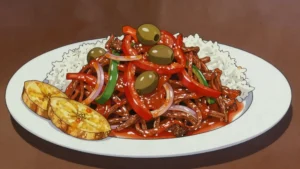 Ropa viejaShredded beef braised with tomato, peppers, olives
 Chipa so’oCorn cake stuffed with seasoned minced beef and egg
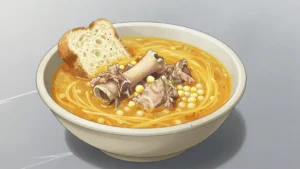 FricaséSpicy paceño pork stew with hominy, famed hangover remedy
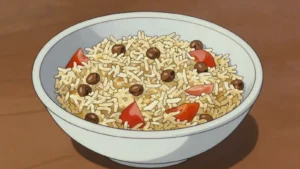 Arroz con guandúCoconut rice with pigeon peas, a holiday staple
 BarbacoaPit-steamed lamb in maguey leaves, weekend taco tradition
 BulbianikiGrated potato dumplings stuffed with meat or mushrooms, boiled or baked.
Oregano is tagged on 240 dishes from 59 countries in the atlas. These notes are written from general knowledge and carry no per-fact citation — see About.