The dried poblano — broad, wrinkled, near-black, mild and tasting of raisin and cocoa — and the family of dried chillies around it that Mexican cooking builds its red sauces and moles from.
Where it comes from
Mexico dries its chillies and, in drying, renames them: the fresh poblano becomes the ancho, the fresh mirasol becomes the guajillo, the smoked jalapeño becomes the chipotle, the fresh chilaca becomes the pasilla. Each dried chilli is treated as a distinct ingredient with its own flavour, and a mole may call for three or four of them by name in stated proportions. This is the oldest chilli tradition in the world and the most exact about its dried peppers.
The ancho — ‘wide’ — is the most used and the gentlest. Its flesh is thick and fruity, with almost no heat, and it gives red sauces their body and their dark, sweet depth. Alongside it, the guajillo gives brightness and tang, the pasilla a darker, herbal note, and the mulato — a fully ripened poblano dried nearly black — chocolate and tobacco. The ‘holy trinity’ of mole poblano is ancho, pasilla and mulato.
Varieties
- Ancho — Dried poblano. Wide, flat, dark red-brown, sweet and mild with raisin and plum. The base of most red enchilada sauces.
- Mulato — A poblano left to ripen fully before drying — blacker, sweeter, with cocoa and liquorice. Essential in mole poblano.
- Pasilla — Dried chilaca; long, narrow, wrinkled and near-black. Herbal, a little bitter, medium heat. Often confused with ancho in US shops.
- Guajillo — Dried mirasol. Long, smooth, glossy red, thin-skinned; tangy, with green tea and berry. The everyday sauce chilli of central Mexico.
- Chipotle — A smoke-dried ripe jalapeño — leathery, brown, hot and deeply smoky. Sold dried or canned in adobo.
- Chile de árbol — Small, slim, bright red and hot. Toasted and blended for table salsas and salsa macha.
In the kitchen
The method is always the same: wipe the chillies clean, snip off the stems and shake out most of the seeds, toast them briefly on a dry comal or in a pan until fragrant — seconds, not minutes, or they turn bitter — then soak in hot water for twenty minutes and blend with some of the soaking liquid. Strain for a smooth sauce.
Anchos give body; guajillos give colour and acidity; a chipotle or an árbol gives heat and smoke. Most Mexican red sauces are two or three of these in combination, and the proportions are the recipe.
Choosing and keeping
A good dried chilli bends without cracking and smells of dried fruit. Brittle, dusty or faded pods are old and will taste flat. Kept in a sealed bag away from light they last a year or more.
Labels in shops outside Mexico are unreliable — anchos are often sold as pasillas and vice versa. Ancho is wide and flat; pasilla is long and narrow. Trust the shape.
Dishes with ancho
 Panes con polloChicken sandwich soaked in tomato sauce with watercress
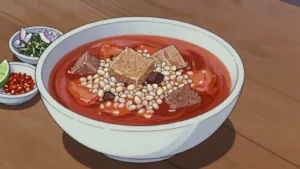 MenudoTripe in red chile broth, famed weekend hangover cure
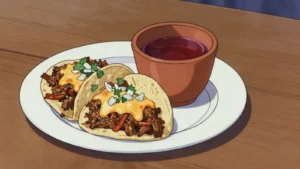 BirriaJalisco chile-braised goat or beef, served with consommé
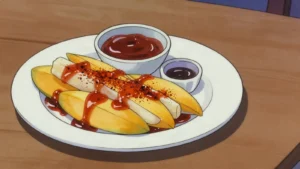 ChamoySalty-sour-sweet fruit sauce poured over mango, jicama and iced drinks
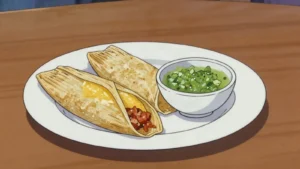 TamalesMasa steamed in husks or banana leaves with savory fillings
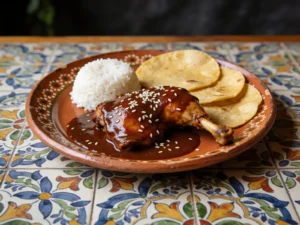 Mole poblanoChicken in complex chile-chocolate sauce of many ingredients
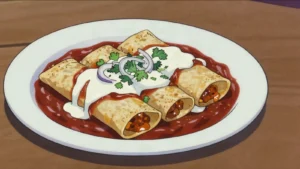 EnchiladasRolled tortillas bathed in chile sauce with cheese and chicken
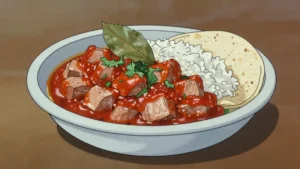 RevolcadoPork head and offal stewed in a red tomato and chile recado
Ancho and the Mexican dried chillies is tagged on 19 dishes from 4 countries in the atlas. These notes are written from general knowledge and carry no per-fact citation — see About.