A seed that tastes of nothing like chocolate until it has been fermented, dried, roasted and ground — four steps, each of which builds flavour that was not there before.
Where it comes from
Theobroma cacao is native to the Amazon basin and was domesticated and used in Mesoamerica, where it was drunk bitter, spiced with chilli and vanilla, and used as currency. Sweetened chocolate is a European adaptation.
The pod’s seeds are surrounded by white pulp. That pulp is fermented for several days in heaps or boxes, and the heat and acid of the fermentation kill the seed and start the chemical changes that produce chocolate flavour. Unfermented cacao cannot be made into chocolate, however well it is roasted.
Most cacao is grown in West Africa — Côte d’Ivoire and Ghana above all — by smallholders, and the gap between what a farmer earns and what a bar sells for is the central ethical fact of the trade.
Varieties
- Forastero — The bulk cacao of West Africa. Robust, straightforwardly chocolatey.
- Criollo — Scarce, low-yielding, delicate and complex. A tiny share of world production.
- Trinitario — A hybrid of the two, and much of the fine-flavour crop.
- Cocoa powder — Ground, defatted cacao. Natural is acidic; Dutch-processed is alkalised, darker, milder, and behaves differently with raising agents.
- Cocoa butter — The fat, which melts just below body temperature. That is why chocolate melts in the mouth and why tempering matters.
- Dark, milk and white — By cocoa solids: dark is cacao and sugar, milk adds milk solids, white is cocoa butter and sugar with no cacao solids at all.
- Cacao nibs — Roasted, cracked beans. Bitter and crunchy, no sugar.
In the kitchen
Natural and Dutch-processed cocoa are not interchangeable where a recipe uses bicarbonate of soda: bicarbonate needs the acid in natural cocoa to work. Swapping them gives a flat cake with a soapy edge.
Chocolate seizes into a grainy mass when a small amount of water reaches it, because the sugar dissolves and pulls the particles together. A lot of liquid is fine; a few drops are ruinous.
Tempering is about getting cocoa butter to set in one specific crystal form. Untempered chocolate is dull, soft and bloomed; tempered chocolate snaps and shines. It is a physical process, not a recipe.
Dishes with cacao
 HagelslagChocolate sprinkles on buttered bread, a national habit.
 Lagidze waterSyrup soda made to order, including a famous chocolate and cream flavour.
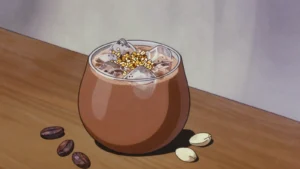 PinolilloToasted corn-and-cacao drink, stirred and pleasantly gritty
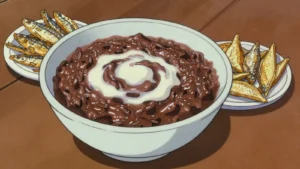 ChamporadoChocolate rice porridge eaten with salted dried fish on the side
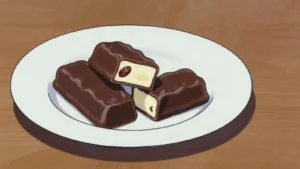 Varškės sūrelisSweet curd bar coated in chocolate, sold chilled
 ÉclairChoux pastry finger filled with pastry cream, chocolate glaze.
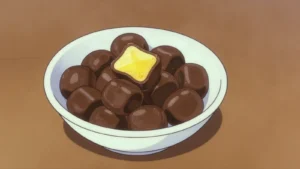 Pineapple LumpsChewy pineapple-flavoured candy logs coated in chocolate, sold in yellow bags
 Swiss chocolateSilky milk chocolate pioneered here; bars, pralines, national pride.
Cacao is tagged on 82 dishes from 51 countries in the atlas. These notes are written from general knowledge and carry no per-fact citation — see About.