A pulse that stays firm where others collapse, and one whose cooking water turned out to whip like egg white.
Where it comes from
Chickpeas were domesticated in south-eastern Turkey and spread across the Mediterranean, the Middle East and South Asia, where they are the single most important pulse. India grows and eats more of them than everywhere else combined.
Two types divide the world: the large pale kabuli chickpea of the Mediterranean and Middle East, and the small dark desi chickpea of South Asia, which is usually split and ground rather than cooked whole.
Varieties
- Kabuli — Large, round, pale. Hummus, salads, stews, and the chickpea most Western shops sell.
- Desi / kala chana — Small, dark, thicker-skinned, nuttier. Whole in curries, or split into chana dal.
- Gram flour / besan — Ground desi chickpea. Pakora and bhaji batter, socca, farinata, panisse.
- Green chickpeas — Fresh and immature, eaten as a vegetable.
- Aquafaba — The cooking or tinned liquid. Its dissolved proteins and starches whip to a stable foam and stand in for egg white in meringue and mayonnaise.
In the kitchen
For a smooth hummus, chickpeas need to be cooked far past what most recipes call tender — genuinely falling apart — and a pinch of bicarbonate of soda in the soaking and cooking water helps break the skins down. Skins are what make hummus grainy.
Gram flour must be cooked through; raw, it tastes chalky and bitter, and that is what a thin, quickly-fried batter leaves behind.
Dishes with chickpea
 Escudellameat, sausage, vegetable and pasta hotpot, the national dish
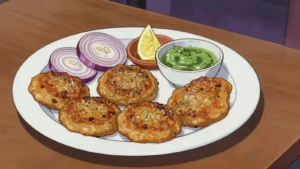 Shami KebabShallow-fried patties of minced meat and chana dal
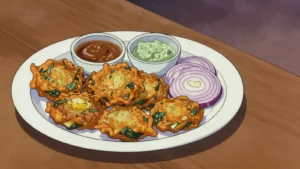 PakoraVegetables dipped in spiced gram-flour batter and deep-fried in bubbling oil
 BarbacoaPit-steamed lamb in maguey leaves, weekend taco tradition
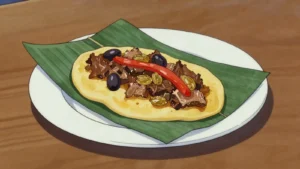 HallacaChristmas corn-dough parcels of beef, pork, olives, raisins in banana leaves
 MtewemMeatballs and lamb simmered in a garlic-heavy sauce with cinnamon and chickpeas
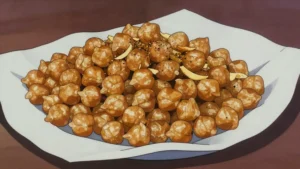 ChannaChickpeas boiled then fried with salt, pepper and garlic
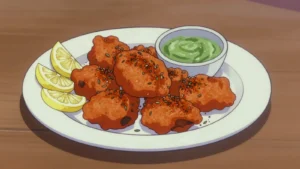 Lahori Fried FishBatter of gram flour and ajwain around river fish, fried and dusted with chaat masala
Chickpea is tagged on 124 dishes from 58 countries in the atlas. These notes are written from general knowledge and carry no per-fact citation — see About.