Cod split, salted and dried until it is stiff as a board — bacalhau, bacalao, baccalà, morue, stockfish — the food that let Atlantic Europe eat fish far from the sea, and that Portugal, Spain, Italy, Brazil and the Caribbean turned into hundreds of dishes long after refrigeration made it unnecessary.
Where it comes from
Norwegians were drying cod on wooden racks in the wind of the Lofoten islands a thousand years ago — stockfish, dried without salt — and trading it south; when the Basques and then the Portuguese reached the cod banks of Newfoundland in the fifteenth century, they salted the fish aboard ship and salt cod became the protein of Catholic Europe’s meatless days and of the Atlantic slave trade’s rations. Portugal claims a bacalhau recipe for every day of the year and eats it at Christmas; Spain has bacalao al pil-pil and a la vizcaína; Italy, baccalà mantecato and alla livornese; France, brandade; Jamaica, ackee and saltfish; Brazil, bolinhos de bacalhau.
The salting changes the fish: it firms and flakes into large, meaty pieces with a deep savoury flavour that fresh cod does not have, and that is why it survived as a preferred ingredient rather than a substitute. It must be soaked in changes of cold water for one to three days before cooking, depending on thickness, to bring the salt down to seasoning level. Stockfish — unsalted and air-dried, a Norwegian and Nigerian staple — needs even longer soaking and has a stronger flavour.
Varieties
- Salt cod, whole side (bacalhau) — A whole split fish, salted and dried stiff; the Portuguese and Spanish standard. Cut into portions and soaked.
- Salt cod fillets and loins — Thick, boneless pieces, often pre-soaked or lightly salted (bacalao desalado); the prized cuts for pil-pil and grilling.
- Salt cod pieces and offcuts (migas) — Cheaper, thinner; for fritters, brandade and salads.
- Stockfish (stoccafisso, okporoko) — Unsalted, wind-dried cod; hard as wood. Norwegian, Venetian (baccalà mantecato is made from it) and Nigerian.
- Saltfish (Caribbean) — Salted cod or pollock; for ackee and saltfish, fritters and buljol.
- Klippfisk — The Norwegian word for salt cod, dried on the rocks (klipper); exported to Portugal and Brazil.
In the kitchen
Soak it: rinse off the surface salt, cover with cold water in the fridge, and change the water two or three times a day for 24 to 72 hours — a thick loin needs the full three days, thin pieces a day. Taste a shred; it should be pleasantly seasoned, not salty. Then poach gently in water or milk, never boiling, until it flakes, or bake, grill or fry it.
Poached and flaked, it is folded into potato and olive oil for brandade or Portuguese bacalhau à Brás with eggs and matchstick potatoes; bound with mashed potato into fritters; layered with potato, onion and olives and baked (bacalhau à Gomes de Sá); or, as a loin, cooked slowly in olive oil and garlic until the oil emulsifies with its juices into the Basque pil-pil. Caribbean saltfish is boiled, flaked and sautéed with onion, tomato and thyme.
Choosing and keeping
Good salt cod is thick, pale ivory to white, dry but pliable, and smells clean and salty, not fishy or ammoniac; yellow patches or a soft, damp feel mean poor curing. Whole dried fish keeps for a year or more somewhere cool and dry; vacuum-packed portions for months. Soaked cod must be cooked within a day or two.
Buy from Portuguese, Spanish, Italian or Caribbean grocers, where it hangs in the shop or sits in wooden boxes; pre-soaked and frozen loins are a good shortcut. Soaked salt cod freezes well.
Dishes with salt cod
 Skordaliathick garlic purée bound with potato, bread or almonds
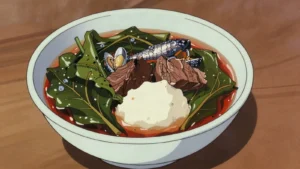 Edikang ikongRich Calabar vegetable soup of pumpkin leaves and waterleaf
 Empanada gallegaflat baked pie filled with tuna, peppers, onion
 RundownMackerel simmered in reduced spiced coconut milk
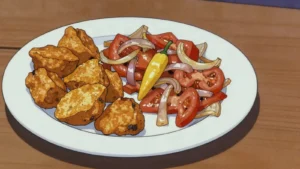 TeloFried cassava chunks with salted fish bakkeljauw
 Bake and saltfishFried dough rounds with sautéed salted cod
 Pastéis de bacalhaufried salt-cod and potato fritters
 Croquetascreamy béchamel croquettes with ham or salt cod
Salt cod is tagged on 24 dishes from 18 countries in the atlas. These notes are written from general knowledge and carry no per-fact citation — see About.