Fermented grain — barley, wheat, sometimes rice or maize, with hops for bitterness — as an ingredient: the batter of fish and chips and beer-battered onion rings, the braise of a Flemish carbonnade and an Irish beef and Guinness stew, the sauce of a Welsh rarebit, and the yeast and fizz that lighten a bread or a pancake.
Where it comes from
Beer is as old as bread and made from the same grain by the same fermentation; Sumerians and Egyptians brewed it, and northern Europe, where grapes would not grow, cooked with it as the south cooked with wine. Belgium’s carbonnade flamande braises beef in dark ale with onions and mustard; Britain’s steak and ale pie, Welsh rarebit and beer batter are national dishes; Germany cooks sausages and pork in beer and glazes ham with it; Ireland’s Guinness stew and Guinness bread are recent inventions that have become tradition; Mexico’s michelada and carne en su jugo and the American beer-can chicken and beer cheese soup use lager.
In cooking, beer brings bitterness from hops, sweetness and body from malt, and carbon dioxide from fermentation. The bitterness deepens a braise and cuts the richness of fried food; the malt caramelises in a glaze or a sauce; and the bubbles lighten a batter, expanding in the hot oil into a lacy, crisp crust. Dark ales and stouts bring roasted, chocolate and coffee notes to stews and cakes; pale lagers bring lightness and little flavour, which is what a batter wants.
Varieties
- Pale lager and pilsner — Light, crisp, mildly bitter; for batters, steaming mussels and beer-can chicken, where flavour should stay in the background.
- Brown and amber ale — Malty, nutty, moderate bitterness; the ale for carbonnade, steak and ale pie and Welsh rarebit.
- Stout and porter — Dark, roasted, coffee-and-chocolate; for Guinness stew, beef braises, gingerbread and chocolate cake.
- Belgian abbey and Trappist ales — Rich, spicy, strong; for carbonnade and game.
- Wheat beer (witbier, Weissbier) — Cloudy, light, citrusy; for mussels, fish and light batters.
- Non-alcoholic beer — Works in batters and braises; the alcohol was never the point.
In the kitchen
Beer batter: cold beer whisked into flour (and a little baking powder or cornflour) to the consistency of double cream, used at once while the bubbles are live, and the coated fish or onion dropped into oil at 180°C for three or four minutes. The colder the beer and the hotter the oil, the crisper the crust. Do not overmix; lumps are fine.
In a braise, brown the meat and onions hard, then add ale to cover and cook low for two or three hours; the bitterness mellows and the malt rounds into the gravy — a spoon of brown sugar or a slice of mustard-spread bread on top (the Flemish trick) balances any harshness. Stout in a chocolate cake or a gingerbread deepens the colour and flavour and keeps the crumb moist. Beer poured over a pot of cooking sausages or a joint of pork glazes as it reduces.
Choosing and keeping
Beer for cooking should be fresh and drinkable; stale or skunked beer cooks badly. An opened bottle goes flat within hours and is useless for batter but fine for a braise the next day. Cans and bottles keep for months unopened in a cool dark place.
Very hoppy beers — heavily bittered IPAs — turn harsh and metallic when reduced; choose malty ales and stouts for braises and light, low-hop lagers for batters. Alcohol-free beer works in both.
Dishes with beer
 Bundaberg RumDark molasses rum from Queensland, mixed with cola and nicknamed Bundy
 ChuflaySingani lengthened with ginger ale and lime over ice
 Aguadito de polloBrothy coriander rice soup with chicken; late-night revival
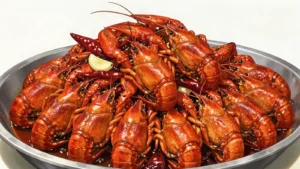 Mala CrayfishCrayfish stir-fried with chili, garlic and beer, eaten by the bucket with gloves
 Bun and cheeseSpiced Easter bun eaten with cheddar slices
 TuskerPale lager with an elephant on the label, the default Kenyan beer
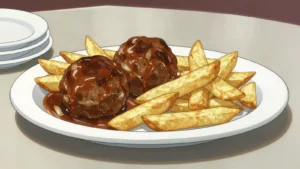 Boulets à la liégeoisePork-beef meatballs in sweet-sour Liège syrup sauce.
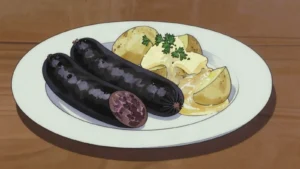 TräipenBlack pudding fried, with applesauce and boiled potatoes.
Beer and ale in the kitchen is tagged on 155 dishes from 77 countries in the atlas. These notes are written from general knowledge and carry no per-fact citation — see About.