Dried sweet or mild red peppers ground to a powder — the colour and body of Hungarian, Spanish and Balkan cooking, and a spice that is as much about the pepper’s flesh as its heat.
Where it comes from
Paprika is a European invention made from an American plant. Capsicums reached the Ottoman Balkans and Hungary in the sixteenth century; the Hungarians bred them for sweetness and thin flesh and, from the nineteenth century, milled them into a fine powder that came to define their cooking. Szeged and Kalocsa remain the two named paprika regions, and Hungarian paprika is graded by colour and heat rather than by variety.
Spain’s pimentón developed separately in Extremadura and Murcia. In La Vera the peppers are dried for two weeks over slow oak fires, which is where smoked paprika gets its smoke; in Murcia they are sun-dried and the paprika is sweet and unsmoked. Both are protected names. The pepper’s high sugar content is why paprika burns so easily — it is nearly as much dried fruit as spice.
Varieties
- Édesnemes (Hungarian sweet) — The standard Hungarian grade: bright red, sweet, with almost no heat. The paprika of goulash and paprikás.
- Csemege and félédes — Hungarian ‘delicate’ and ‘semi-sweet’ grades — progressively warmer, still mostly about colour and flavour.
- Erős (Hungarian hot) — The hot grade, made with the seeds and veins left in. Genuinely fiery by paprika standards.
- Pimentón de la Vera dulce — Sweet smoked Spanish paprika. Oak smoke over sweet pepper; the taste of chorizo and patatas bravas.
- Pimentón de la Vera picante — The hot smoked version — the same smoke with real heat behind it.
- Pimentón de Murcia — Sun-dried and unsmoked. Sweet, clean and bright red; closer to Hungarian sweet than to La Vera.
In the kitchen
Never let paprika hit hot oil directly for more than a few seconds — its sugars scorch and the whole dish turns bitter. The Hungarian method is to take the pan off the heat, stir the paprika into the softened onions and fat, then add liquid before returning it to the flame.
It thickens as well as colours. A goulash gets much of its body from the sheer quantity of paprika — tablespoons, not teaspoons — dissolved into the fat. Smoked paprika is far more assertive per gram and is usually a finishing note rather than a base.
Choosing and keeping
Paprika fades faster than almost any spice; a jar that has gone from red to brick-brown has lost most of its flavour. Buy in small tins, keep them closed and away from light and heat, and use within six months.
Hungarian paprika is sold in tins and in cloth bags; the tins keep better. If a recipe just says ‘paprika’, it means sweet and unsmoked — smoked paprika in its place is a different dish.
Dishes with paprika
 TzhvzhikLiver and offal fried hard with onion, eaten hot with lavash and vodka.
 LocroHominy, squash and meat stew eaten on patriotic May 25
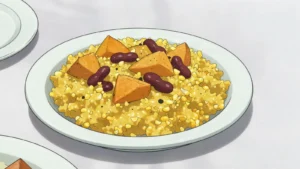 XerémCracked-corn dish cooked soft, served at festivals
 BuredziciSmall burek rolls baked then drowned in garlicky yoghurt and butter.
 CorvicheFried ball of green plantain dough stuffed with fish and peanut
 Hasa adasThick lentil soup with tomato, carrot and cumin, topped with fried onion
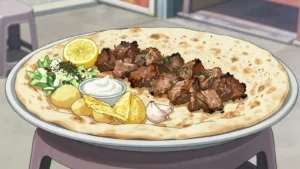 SufllaqeGrilled meat wrapped in flatbread with chips, yoghurt sauce and salad.
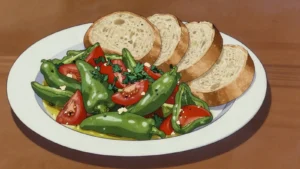 Taktoukacooked salad of roasted green peppers and tomatoes, scooped with bread
Paprika is tagged on 280 dishes from 93 countries in the atlas. These notes are written from general knowledge and carry no per-fact citation — see About.