Glucose broken out of maize starch, used less for sweetness than for what it stops happening — chiefly sugar crystallising where it is not wanted.
Where it comes from
Maize starch is broken down with acid or enzymes into a syrup of glucose and longer sugar chains. Ordinary corn syrup is that; high-fructose corn syrup has had a further enzyme step convert much of the glucose into fructose, which makes it sweeter and cheaper than sucrose in countries where maize is subsidised and cane sugar is not.
The two are different products with different jobs, and confusing them is common. The bottle of corn syrup in a baking cupboard is not high-fructose corn syrup, and it is not particularly sweet.
Varieties
- Light corn syrup — Clarified, near-neutral. The standard baking form.
- Dark corn syrup — With molasses or refiners’ syrup added. Colour and a caramel note.
- High-fructose corn syrup — An industrial sweetener for drinks and processed food, not a domestic ingredient.
- Glucose syrup — The same idea, and in much of the world the name it is sold under. Confectionery and ice cream.
- Golden syrup — Not a corn product at all — inverted cane sugar syrup. Used for the same anti-crystallising job and tastes quite different.
In the kitchen
Its real purpose is interference. Glucose and longer chains physically get in the way of sucrose crystals forming, which is what keeps a caramel smooth, a fudge fine-grained and an ice cream free of grittiness.
It is hygroscopic — it holds water — so it keeps a bake soft for longer than sugar alone would.
Substituting honey or golden syrup for corn syrup works for the texture but changes the flavour considerably, because corn syrup has almost none of its own.
Dishes with corn syrup
 Cuba libreRum and cola with a squeeze of lime
 Fernet con cocaBitter Fernet with Coca-Cola, Córdoba's beloved mix
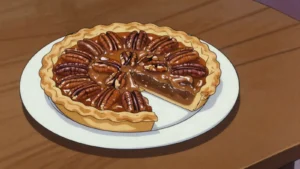 Pecan pieSweet corn-syrup custard pie packed with toasted pecans
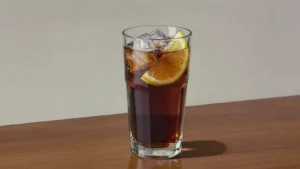 Brandy and CokeBrandy lengthened with cola and ice, the default braai drink
 PiscolaPisco and cola poured tall over ice at every Chilean party
Corn syrup is tagged on 5 dishes from 5 countries in the atlas. These notes are written from general knowledge and carry no per-fact citation — see About.