A fruit juice rather than a seed oil — pressed, not extracted — which is why it can be eaten raw and why it goes stale rather than simply old.
Where it comes from
The olive was domesticated in the eastern Mediterranean and the tree defines the region’s agriculture: it survives drought and poor stony ground, and lives for centuries. Spain, Italy, Greece, Turkey, Tunisia and Morocco produce most of the world’s oil.
Extra virgin olive oil is mechanically pressed from the fruit with no heat or solvent and must meet limits on free acidity and pass a taste panel. Ordinary olive oil is refined — deodorised and stripped of its defects — and blended with a little virgin oil for flavour. They are genuinely different products, not grades of care.
Varieties
- Extra virgin — First pressing, unrefined. Peppery, grassy, bitter — and those are quality markers, not faults.
- Virgin — Same process, higher acidity, milder and less distinctive.
- Refined / ‘pure’ olive oil — Chemically or physically refined. Neutral, and a cooking fat rather than a flavour.
- Olive pomace oil — Solvent-extracted from the residue. Industrial frying.
- Early harvest — Green olives picked before full ripeness. Lower yield, far more peppery and bitter, and it does not keep as long.
- Regional styles — Tuscan is grassy and pungent, Ligurian and much Spanish arbequina soft and buttery, Greek koroneiki robust. This is a real difference and worth choosing on.
In the kitchen
The claim that extra virgin cannot be cooked with is overstated — its smoke point is comfortably above normal sautéing and shallow frying, and it is used for deep frying throughout the Mediterranean. What heat does destroy is the aroma, which is why the expensive bottle is for finishing and the cheaper one for the pan.
The peppery catch at the back of the throat is oleocanthal, and it is a sign of a fresh, well-made oil. People often read it as a defect; it is the opposite.
Olive oil goes solid and cloudy in a fridge and clears again at room temperature. That says nothing about quality either way.
Choosing and keeping
Light and heat are what ruin it. A dark bottle, away from the cooker, and used within a year of harvest — the harvest date matters more than the best-before.
Olive oil is one of the most adulterated foods in the trade, usually cut with cheaper refined oils. A price that is too good generally is.
Dishes with olive oil
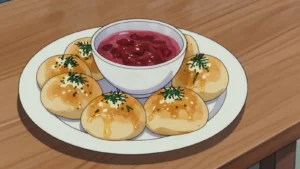 Pampushkyfluffy rolls brushed with garlic oil, borscht's companion
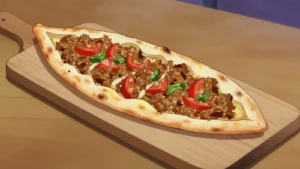 Pideboat-shaped flatbread baked with cheese, minced meat or sucuk
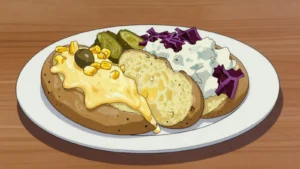 KumpirGiant baked potato mashed with butter and cheese, piled with many cold toppings.
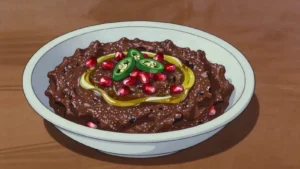 RummaniyyaGazan lentils and aubergine soured with pomegranate
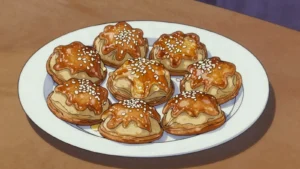 Chebakiasesame-coated flower-shaped pastry fried and glazed with honey; Ramadan essential
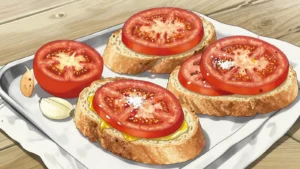 Pa amb tomaquetBread rubbed with ripe tomato, oil and salt, base of every meal.
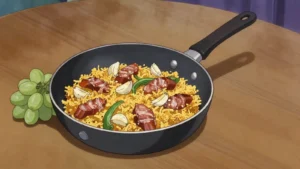 Migasshepherd's fried breadcrumbs with chorizo, peppers, grapes
 Rashooflentil and bulgur soup enriched with dried jameed yoghurt
Olive oil is tagged on 414 dishes from 76 countries in the atlas. These notes are written from general knowledge and carry no per-fact citation — see About.