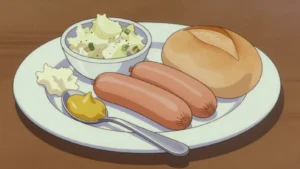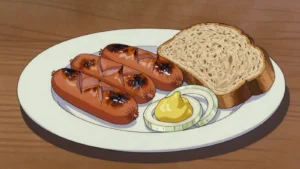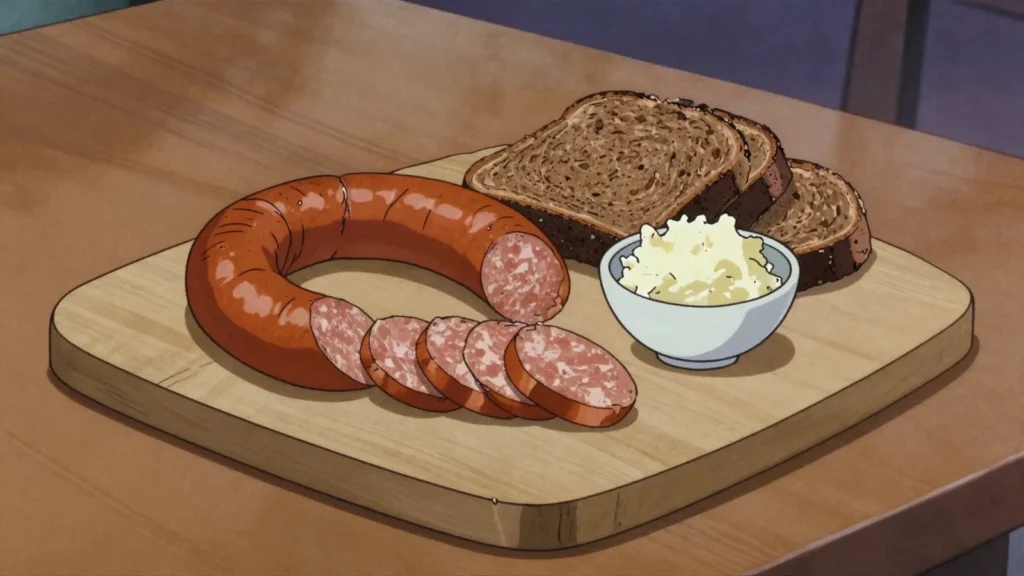

A garlicky home-made smoked pork sausage, made at the winter slaughter and often preserved under lard in jars through the winter.
It is a smoked raw-meat cure, and the lard storage is an anaerobic hold at cellar temperature — the classic botulism setting, which the cure and a cold cellar are what make work.
What goes into it
- pork shoulder and fat
- salt and curing salt
- garlic, in quantity
- black pepper and bay
- natural casings
- lard, for storing
How it is made
Coarsely minced pork and fat are mixed with a great deal of garlic and salt, stuffed into casings and rested overnight, then cold-smoked over fruitwood for a day or two and hung to dry. Much of it is then fried and packed into jars submerged in rendered lard, which seals it from air for the winter.
How long it takes: days to smoke and dry, then stored under lard for months
How it is eaten
Sliced cold with bread and horseradish, or lifted from the lard and fried with potatoes.
History
Ukrainian sausage, typically made from pork seasoned with garlic and spices, then smoked or dried, documented across Ukraine for many generations as an essential traditional food, closely tied to Ukrainian celebratory occasions, particularly the Easter basket blessed at church, in which kovbasa traditionally holds a central place alongside other significant symbolic foods. Its garlic-forward seasoning and smoking process reflect a broader Eastern European sausage-making tradition, adapted with Ukraine’s own particular spicing and preparation preferences developed over many generations. Kovbasa remains deeply tied to Ukrainian cultural and religious tradition, particularly significant within Easter celebrations specifically.
Frequently asked questions
What is Kovbasa?
Kovbasa is a charcuterie & cured from Ukraine: garlicky homemade smoked pork sausage. Ukrainian sausage, typically made from pork seasoned with garlic and spices, then smoked or dried, documented across Ukraine for many generations as an essential traditional food, closely tied to Ukrainian celebratory occasions, particularly the Easter basket blessed at church, in which kovbasa traditionally holds a central place alongside other significant symbolic foods. Its garlic-forward seasoning and smoking process reflect a broader Eastern European sausage-making tradition, adapted with Ukraine’s own particular spicing and preparation preferences developed over many generations. Kovbasa remains deeply tied to Ukrainian cultural and religious tradition, particularly significant within Easter celebrations specifically.
How is Kovbasa made?
Coarsely minced pork and fat are mixed with a great deal of garlic and salt, stuffed into casings and rested overnight, then cold-smoked over fruitwood for a day or two and hung to dry. Much of it is then fried and packed into jars submerged in rendered lard, which seals it from air for the winter. It takes days to smoke and dry, then stored under lard for months.
Can I make Kovbasa at home?
No, and the atlas gives no method for it. It is a smoked raw-meat cure, and the lard storage is an anaerobic hold at cellar temperature — the classic botulism setting, which the cure and a cold cellar are what make work.
What goes into Kovbasa?
Pork shoulder and fat, salt and curing salt, garlic, in quantity, black pepper and bay, natural casings, lard, for storing.
How is Kovbasa eaten?
Sliced cold with bread and horseradish, or lifted from the lard and fried with potatoes.