Maize picked young and sweet and eaten as a vegetable — on the cob, cut off it, creamed, grilled with lime and chilli — the one form of corn that is a treat rather than a staple.
Where it comes from
Maize is the great staple grain of the Americas, and in most of the world it is a grain: dried, ground, made into tortillas, polenta, ugali and grits. Sweetcorn is a mutation — a maize whose kernels stay sweet and tender rather than converting their sugar to starch as they mature — that Native Americans grew in a few places and that American settlers took up in the eighteenth and nineteenth centuries. Modern supersweet varieties, bred since the 1950s, hold their sugar for days rather than hours.
It is eaten young and fresh, boiled or grilled on the cob, or cut off and cooked with cream, in chowders and fritters, or in the Mexican esquites and elotes — cobs grilled and slathered with mayonnaise, cheese, chilli and lime. Baby corn, the immature cob picked before pollination, is a different harvest from the same plant, eaten whole in Southeast Asian stir-fries. Popcorn is another maize type again.
Varieties
- Yellow sweetcorn — The standard sweet variety; plump golden kernels.
- White sweetcorn — Paler, smaller, often more tender and delicate; favoured in parts of the US.
- Bicolour — Yellow and white kernels mixed on the cob; a garden favourite.
- Supersweet (sh2) — Modern varieties with double the sugar and a longer shelf life; crisp, very sweet.
- Baby corn — Tiny immature cobs, eaten whole, crunchy and mild; in Thai and Chinese stir-fries.
- Huitlacoche — The Mexican corn fungus that swells kernels grey-black; an earthy delicacy in quesadillas.
In the kitchen
Cook it as soon as you can and as briefly as you can — three or four minutes in boiling unsalted water (salt toughens the skins), or grilled in the husk or naked over coals until charred in patches. Butter and salt is enough; lime, chilli and crumbled cheese is Mexico; soy and butter is Japan.
To cut kernels off, stand the cob in a wide bowl and slice downward, then scrape the cob with the back of the knife for the milky pulp. Kernels go into chowders, fritters, salsas, salads and creamed corn; cobs, stripped, make a sweet stock.
Choosing and keeping
Buy cobs still in their husks, with bright green husks, moist silk and plump kernels that squirt milky juice when pressed; use the same day if possible, since old varieties lose sweetness by the hour. Keep in the fridge in the husk.
Frozen kernels are good and are picked at peak; tinned sweetcorn is softer and sweeter than fresh. Cobs freeze well blanched.
Dishes with sweetcorn
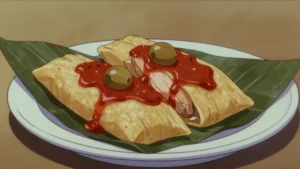 Tamales coloradosRed recado tamales in banana leaves, Saturday tradition
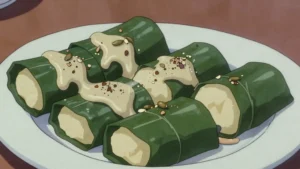 BoxbolMasa rolled in chayote leaves, boiled and eaten with pumpkin-seed sauce
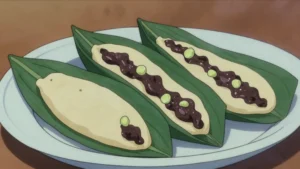 TicucosSmall corn tamales filled with mashed beans and loroco flower buds
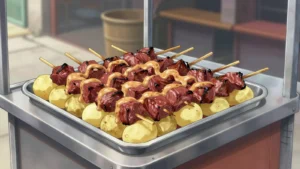 AnticuchoBeef-heart skewers with potato and spicy peanut sauce, night grills
 ZapiekankaToasted half-baguette with mushrooms, cheese, ketchup; milk-bar nostalgia.
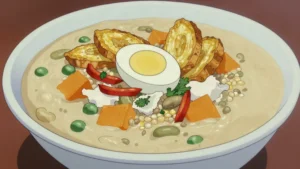 FanescaHoly Week soup of twelve grains, squash and salt cod
 PozoleHominy and pork soup garnished with radish, cabbage, lime
 PupusasGriddled masa cakes stuffed with cheese, beans, chicharrón
Sweetcorn is tagged on 115 dishes from 40 countries in the atlas. These notes are written from general knowledge and carry no per-fact citation — see About.