Cream churned until its fat globules break and invert — turning an emulsion of fat in water into one of water in fat, which is why butter is solid and cream is not.
Where it comes from
Butter is old wherever cattle, sheep or yaks were kept, and in hot climates it was almost always clarified so that it kept. Indian ghee and Ethiopian niter kibbeh are not variants of butter so much as the form butter takes where a fridge is not an option.
European butter traditions split on culturing: much continental butter is made from cream soured with bacteria first, giving a tangier, more complex result; British, Irish and most American butter is sweet-cream.
Varieties
- Sweet cream — Churned from fresh cream. Clean and mild.
- Cultured — Cream fermented before churning. Tangier, more aromatic — the usual French and Danish style.
- Clarified butter and ghee — Water and milk solids removed. Keeps unrefrigerated, and fries at a much higher temperature. Ghee is cooked further, so it is nutty as well.
- Salted — Salt was a preservative long before it was a seasoning; salted butter keeps longer and is not interchangeable in baking without adjustment.
- Smen and niter kibbeh — North African and Ethiopian spiced or aged clarified butters — pungent, and a seasoning in their own right.
In the kitchen
Butter is roughly 80–82% fat and the rest is water and milk solids. That water is why butter foams when melted and why butter-based pastry gets its lift from steam.
The milk solids are what burn. Clarified butter has none, which is why it can take frying heat that whole butter cannot.
Beurre noisette — cooking whole butter until the solids toast — is a flavour ingredient, not an accident, and there are only a few seconds between it and burnt.
Choosing and keeping
Butter absorbs smells readily. Wrapped, and away from anything strong.
Dishes with butter
 Antiguan butter breadSoft rich loaf enriched with butter, sliced for tea or sandwiches
 Diphaphathagriddled flat muffin-like breads, split and buttered
 SveleThick soft pancake folded over butter and brown cheese or sugar
 Kleichacardamom cookies spiraled with date paste; the national cookie
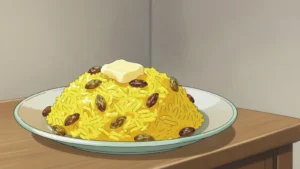 DesiSweet saffron rice with butter and raisins, served in small portions at ceremonies
 Bohobe ba SesothoDense pot-baked bread with a hard crust, cut thick and buttered
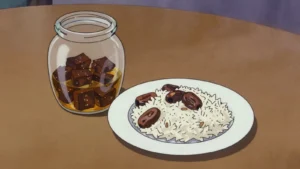 Odkacsun-dried meat jerky preserved in spiced ghee, traveler's food
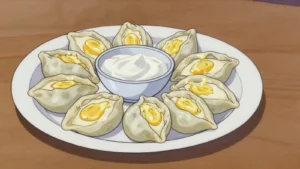 Tuxum barakboiled dough parcels filled with beaten egg and butter
Butter is tagged on 360 dishes from 129 countries in the atlas. These notes are written from general knowledge and carry no per-fact citation — see About.